How to Improve Social Skills Without Faking a Personality
Here’s how to improve social skills: ask one easy question, say yes to small plans, stay curious about the other person, and assume the kind explanation first. Social skills are habits, not traits — you improve social skills the same way you get better at anything, with small reps.
Your roommate Priya introduced you to her friend Jordan at a birthday party. You stuck out your hand at the exact moment Jordan leaned in for a hug, and you ended up in a stiff half-hug with your hand jammed between you.
Free · No sign-up · About a minute
Practice real conversations until you communicate better
Communicate Better is where you practice real conversations. Step into the moment, say it your way, and see how they react — then get coached on a better line.
- Type what you’d say
- See where they’re coming from
- See how it lands — and a better line
4 ways to improve social skills
Social skills aren’t a personality — they’re habits anyone can practice. If you want to know how to improve social skills, start with small, low-stakes moments and build from there.
How to improve social skills when you feel awkward
Most people who search how to improve social skills aren’t short on kindness or ideas. They freeze in the first ten seconds, or they replay one clumsy sentence all the way home. Awkward moments happen to everyone — the hug that turns into a handshake, the “you too” to a waiter. What makes someone seem socially confident is what they do next: name it lightly, laugh once and move on to a normal question. The simplest answer to how to improve social skills in these moments is one easy question about the thing you share: the host, the event, the neighborhood, the weather that just soaked you both. You don’t need a clever opener. Warm and ordinary works better, because it’s easy to answer. Being friendly is mostly this: noticing people first and making it easy for them to talk to you.
How to improve social skills by showing up more, even as an introvert
Nobody learns how to improve social skills from home. Invitations tend to go to people who accept some of them, and most friendships grow from repeated, low-key time together — the same class, the same lunch table, the same Tuesday trivia. If your social life feels thin, the first step isn’t a new personality. It’s saying yes more often, even for an hour. Introverts don’t need to turn into extroverts to be more social. Pick the settings that suit you — small groups, activities with something to do, one-on-one coffee — and give yourself a planned exit. A yes with a time limit is still a yes. Being more outgoing can be as small as speaking first once per event, or asking one more question before you leave.
Social skills examples that make you good company
People worry about being boring or annoying, so they try to be impressive: the bigger story, the sharper joke, the quick advice. It usually backfires. Good company is someone who stays on your story, asks the second question and shares a real detail back. Interesting people are interested first. That’s one of the most useful social skills examples you can copy. The other half of how to improve social skills is noticing how you land. Talking too long, one-upping, teasing that stings, “just being honest” that comes out harsh — most people who do these don’t mean harm and never get told. Watch faces, wrap up while people are still engaged, and if something came out mean, say so plainly and fix it. If you want to develop charisma, it’s mostly warmth plus attention, not volume.
How to improve social skills when people seem not to like you
When you feel left out, every slow reply and short answer starts to look like proof that people don’t like you. Most of the time it isn’t. People are busy, distracted, shy or dealing with their own day. Before you decide you’re being ignored, try the kind explanation and one more friendly move — a follow-up, an invite, a question. If people are genuinely cruel to you, that’s on them, not you, and it’s fine to step back. Reading about how to improve social skills only gets you so far. Social skills training for adults works like any other training: you try a response, see how it lands and adjust. That’s why we built practice as a social skills game — real moments, a quick read on where the other person is coming from, then your own reply. Small reps, repeated, are how you improve social skills for good.
How to improve social skills without these common mistakes
- Rehearsing scripts. Memorized lines come out stiff — learn a few openers, then react to what they say.
- Replaying every conversation at night. Most people forgot your awkward moment five minutes after it happened.
- Waiting until you feel confident. Confidence shows up after the reps, not before them.
- Hiding behind your phone. Scrolling in a room full of people tells everyone you’re not available.
How to improve social skills: what to say (examples)
These everyday moments make good practice reps. The better line is usually short — the goal is to stay in the conversation, not to be impressive.
| The moment | Say this | Avoid this |
|---|---|---|
| You arrive at a party and only know the host | “Hey! Thanks for having me. Who here should I meet?” | Standing by the snacks until it’s time to leave |
| You forget someone’s name right after hearing it | “I’m so sorry — tell me your name one more time? I want to get it right.” | Avoiding them all night so it doesn’t come up |
| Something you say comes out wrong | “Wow, that came out weird. What I meant was — I love your dog.” | Pretending it didn’t happen and going quiet |
| A conversation runs out of steam | “I’m going to grab another drink. Really nice meeting you, Chris.” | Standing there in silence, waiting for them to leave |
| Someone you met once waves at you | “Hey! Ben, right? From trivia night?” | Pretending you didn’t see them |
| You want to join a group that’s already talking | “Mind if I jump in? I heard “Eagles” and had to come over.” | Hovering at the edge until someone notices you |
| Someone praises your work in front of others | “Thanks — Lena did half of it, honestly. It was a fun one.” | “Oh, it was nothing.” |
| You’re invited somewhere you won’t know anyone | “I’d love to come. Is it okay if I bring a friend?” | Saying yes, then canceling the day of |
How to improve social skills: FAQ
What are some examples of good social skills?
Asking a follow-up question instead of changing the subject. Remembering someone’s name and something they told you. Laughing off a small awkward moment. Saying yes to an invite, or saying no kindly and suggesting another time. Noticing when someone wants to leave the conversation. Good social skills are small, ordinary habits like these, repeated.
How do you improve social skills as an adult?
The simplest way to learn how to improve social skills as an adult: pick one small habit and practice it on purpose for a week — greeting people first, asking one more question, saying yes to one plan. Adults learn social skills the same way they learn anything: small reps with honest feedback. Low-stakes places like a café, a class or a volunteer shift are great for practice.
What are basic social skills?
Greeting people, making eye contact without staring, listening, taking turns in a conversation, asking questions, reading facial expressions and tone, and ending a conversation politely. If you want to improve social skills, start with the basics you already do sometimes and do them more often.
What are good social skills exercises?
Exercises are the practical side of how to improve social skills. Try the “one more question” exercise: in every conversation, ask one follow-up before you talk about yourself. Or the “speak first” exercise: say hi first to one new person a day. Practice scenes help too — you read a real moment, notice what the person needs and try a reply, so the words are ready when it counts.
Can you improve social skills if you’re an introvert or shy?
Yes. Being an introvert is about where you get your energy, not about how good your social skills are. Many quiet people are excellent listeners. Choose settings that suit you and practice a few reliable moves. If anxiety around people feels overwhelming or stops you from daily life, talking to a therapist can help alongside practice.
Can I practice social skills for free?
Yes. The scene at the top of this page is free, with no sign-up, and a free account unlocks the first moments in every category. All-access opens every moment, every scene and every skill, with unlimited practice.
How to improve social skills isn’t learned from a list. It’s built by practicing.
Communicate Better is built for one thing: helping you communicate better. Step into real moments, say it your way, and see how it lands — until the right words come without thinking.
Learn more about Communicate Better →Type what you’d say
Step into a real moment and reply in your own words, the way you’d actually say it. No multiple choice, no script.
See where they’re coming from
Then call what’s going on for them, what they mean and how they feel, and find out right away whether you read them right.
See how it lands — and a better line
An AI plays the other person and reacts to what you actually wrote. Then a coach shows you a better line and why it works. The moments you miss come back until you’ve got them.
7 scenes and 4 core skills — practice them all
1,100+ real moments to practice, from your first hello to the hardest talk.
 New People
Openers, small talk, reading if they want to keep going, making new friends.
How to start a conversation → Dating
 Relationships
Needs, comfort, fights, a partner who’s gone quiet, apologies, big decisions.
How to communicate better with your partner → Friends
 Work & Career
Meetings, feedback, being overlooked, asking for a raise, networking.
Communication in the workplace → Messages & Online
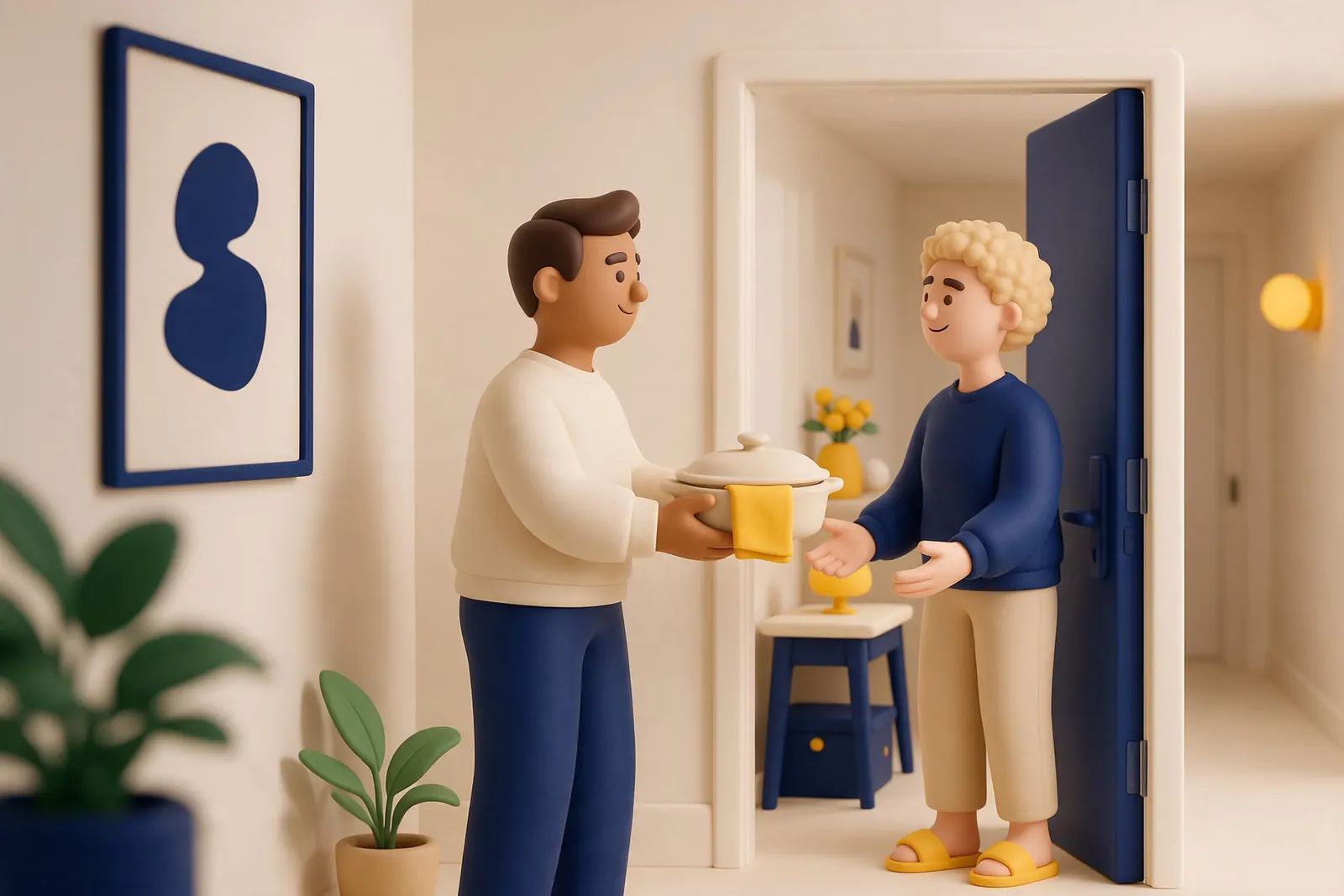 Everyday Life
New moments added all the time — and you can send in one of your own.
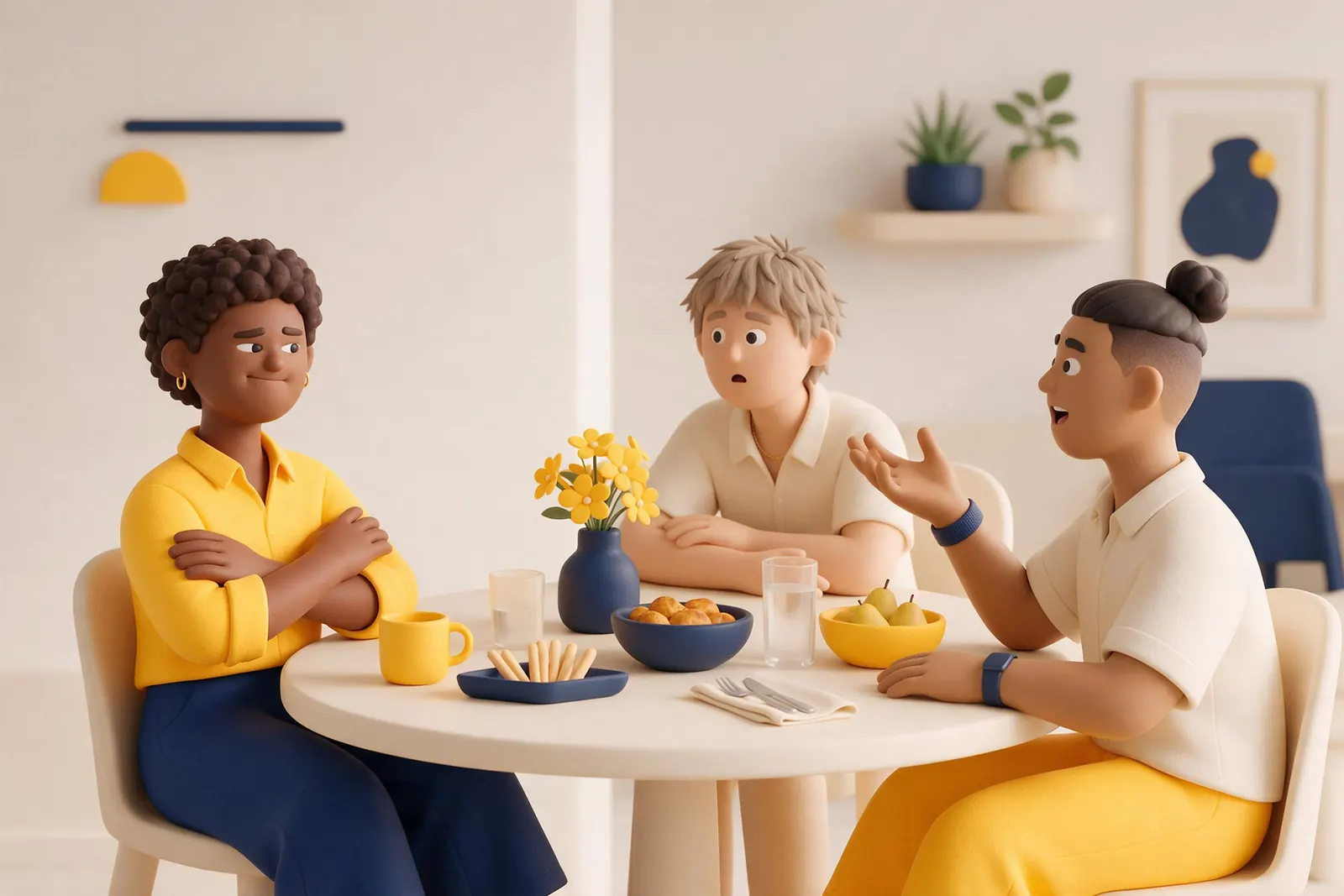 Reading People
 Conversation Skills
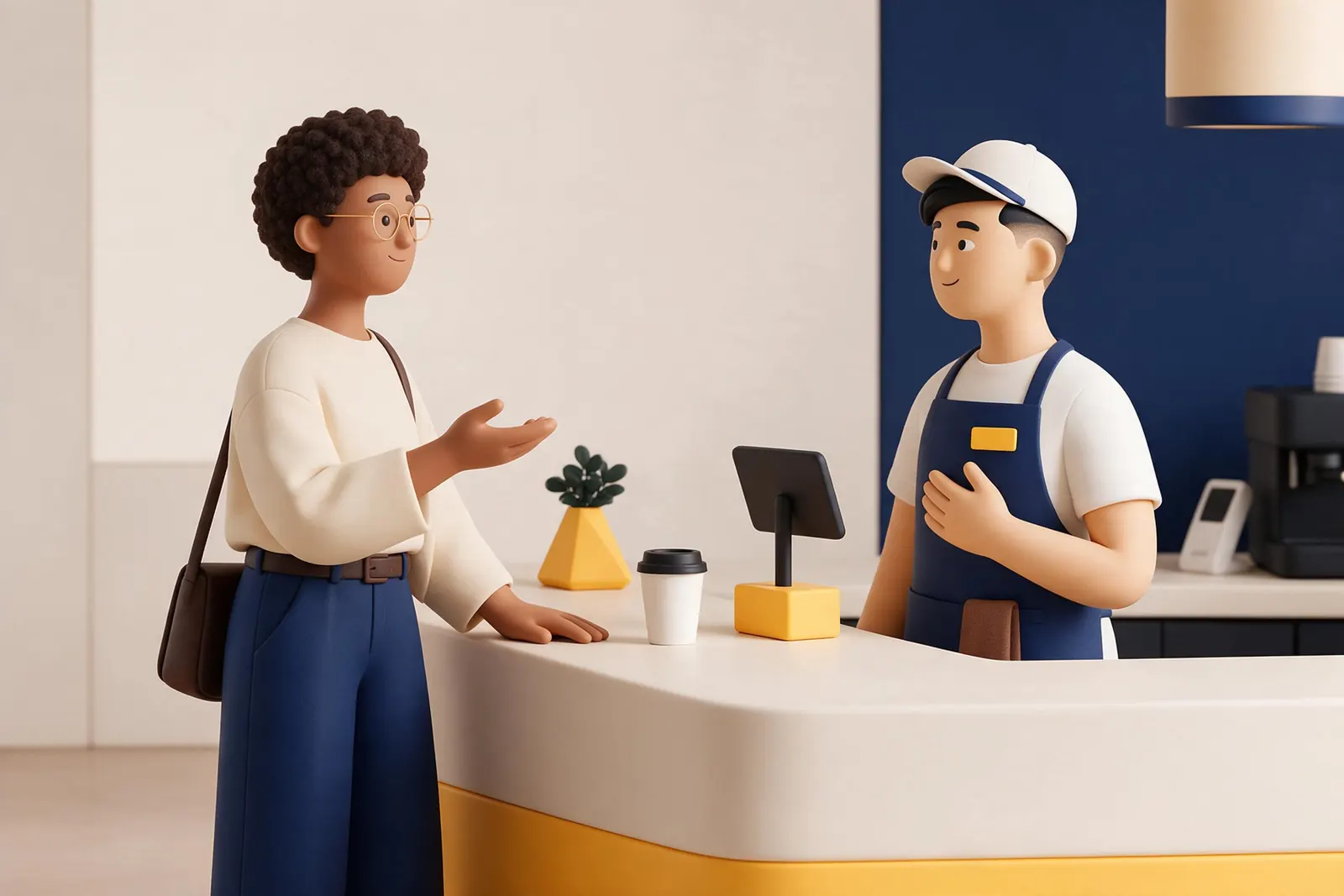 Speaking Up
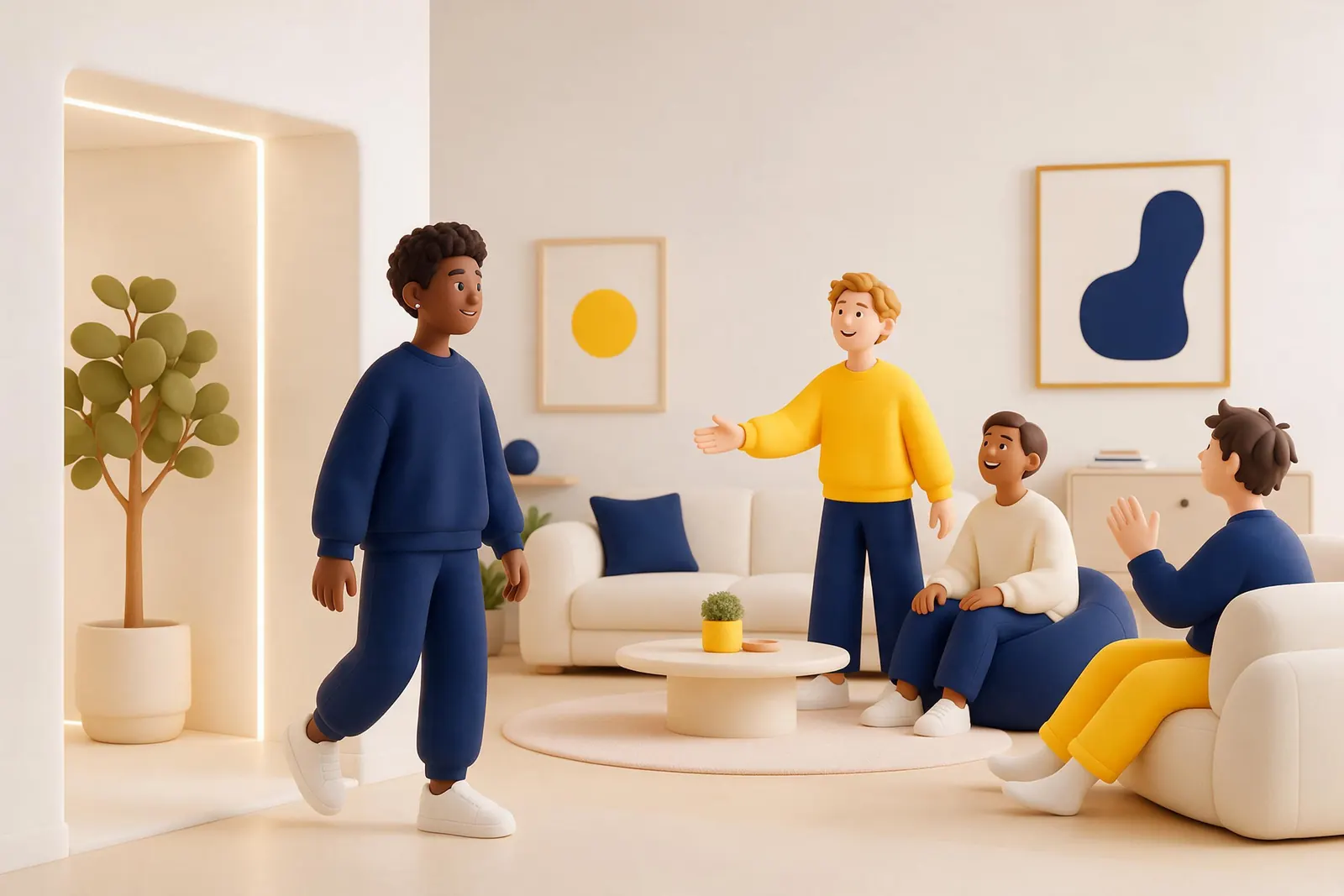 Social Confidence
Free to start. Worth keeping.
- ✓ The first 3 moments in every scene and skill
- ✓ 5 AI coach replies a day
- ✓ Everything in Warm-up, plus:
- ✓ Every moment in all 11 scenes and skills
- ✓ Every new moment we add
- ✓ AI coach on every round — up to 100 a day
- ✓ Everything in Warm-up, plus:
- ✓ Every moment in all 11 scenes and skills
- ✓ Every new moment we add
- ✓ AI coach on every round — up to 100 a day
- ✓ Save ~50% — about $90 a year vs monthly
The best way to communicate better.
Practice the exact moment. Free to start, no card needed.