Why Don’t People Like Me? What’s Usually Going On
If you keep asking “why don’t people like me,” the answer is rarely that you’re unlikable. Most of the time it’s small, fixable signals — hiding, over-apologizing, taking over stories — that people misread as “not interested.”
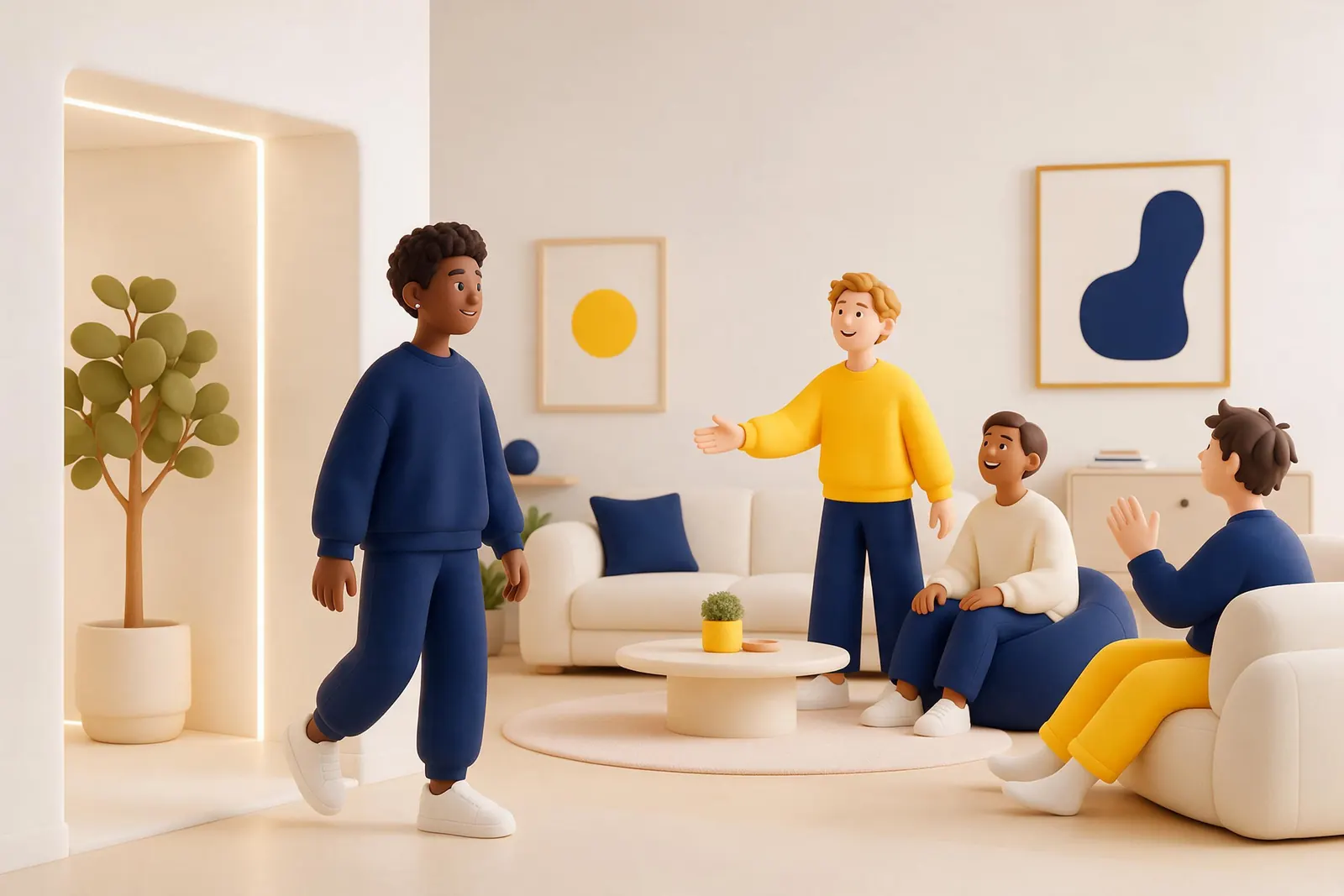
At your friend Nina's housewarming, you don't know most people, so you've been standing by the window on your phone for twenty minutes. You worry about coming across as awkward, so staying quiet felt safer. A guest wanders over.
Free · No sign-up · About a minute
Practice real conversations until you communicate better
Communicate Better is where you practice real conversations. Step into the moment, say it your way, and see how they react — then get coached on a better line.
- Type what you’d say
- See where they’re coming from
- See how it lands — and a better line
Why don’t people like me? 4 things to check
If you keep wondering “why don’t people like me,” the answer is usually a few small habits people misread, not who you are. These are the four worth checking first.
Look open before you look safe
Standing by the window on your phone feels safer when you don’t know anyone. To everyone else, it reads as “busy, don’t bother me.” Put the phone away for five minutes, stand where people pass, and say hi to one person. If someone comes over, tell them the truth: “I was hiding a little — I barely know anyone.” Honesty like that is instantly likable, and an easy way to improve social skills.
Give the story back
When a friend is telling you about their trip, the urge to share your own similar story is a way to connect. But if yours runs long, they end up with “Anyway… it was fun.” Ask one more question about their story before you add yours, and if you catch yourself taking over, hand it back out loud: “Wait, I hijacked that. Go back.”
Swap apologies for plain questions
“Sorry, I’m so annoying” asks the other person to reassure you, over and over. That’s tiring for them, even when they like you, and it’s the real lesson in how to not be annoying. Ask the question without the apology, and thank people instead of saying sorry: “Thanks for waiting” lands warmer than “Sorry I’m so slow.”
Ask before you decide
Left off a roll call, a group chat or a photo? It might be a snub, and it might be a mistake — group threads are chaos. Ask one person, calmly and privately: “Saw the photos, looked fun. Was it a last-minute thing?” You’ll often learn it wasn’t personal, and you’ll get invited next time. If a group keeps shutting you out on purpose, that says more about them than about you.
Why don’t people like me? Common mistakes that make it worse
- Deciding “nobody likes me” from one slow reply or one missed invite, then pulling away from everyone.
- Venting about the same problem every time you talk, without asking how the other person is doing.
- Correcting people in front of a group when a quick private message would do.
- Waiting to be invited instead of inviting. People who plan things get included in things.
Why don’t people like me? What to say instead (examples)
If you’re asking “why don’t people like me,” these are the moments where a small change in what you say makes people feel closer to you, not further away.
| The moment | Say this | Avoid this |
|---|---|---|
| A guest says you seemed busy on your phone | “Ha, no — I was hiding a little because I barely know anyone.” | “Oh, yeah, kind of.” (eyes back on the phone) |
| Your roommate says your apologies are hard to answer | “Fair. New rule: no more apologies, just questions.” | “Sorry. Sorry for saying sorry.” |
| A friend trails off after you took over their story | “Wait, I hijacked your story. What was the best part?” | Finishing your own story first |
| A friend asks if it’s “still the job thing” | “Yeah, broken record, I know. Okay, your turn — how’s your week?” | Three more long texts about your manager |
| A coworker you corrected in a meeting goes cool | “Sorry for jumping in like that. Next time I’ll just DM you.” | “Well, I was right, though.” |
| Friends plan a Saturday right in front of you | “Sounds great. Room for a third, or is it a you-two thing? Either’s cool.” | Going quiet and sulking for the rest of coffee |
Why don’t people like me when I’m trying so hard?
Trying hard often looks like more talking, more apologizing and more checking in — and that can feel like pressure to the other person. Being likable is mostly the opposite: relaxed attention. Ask about them, remember what they told you last time, laugh at yourself when something goes sideways, and let some quiet happen. And keep perspective: not everyone will click with you, and that’s normal. You don’t need everyone. You need a few people who are glad you showed up.
Why don’t people like me?: FAQ
Why do I feel like everyone hates me?
When you’re anxious about being liked, your brain reads neutral things — a short text, a tired face — as proof that people are annoyed with you. Most of the time they’re busy or distracted. Check the facts: who actually replied, who invited you, who laughed at your joke last week.
Am I annoying, or is it just in my head?
Ask yourself what happens after you talk. If people keep the conversation going, ask you things and invite you back, you’re fine. If they often trail off, look for patterns like long stories, repeat venting or constant apologies. Those are habits, not a personality, and they’re easy to change.
What should I do when I feel left out?
Don’t stew and don’t accuse the whole group. Ask one person privately and calmly: “Saw the photos, looked fun — was it last-minute?” Then make a plan yourself. Inviting people is the fastest way to get invited.
Why don’t people like me even though I’m nice?
Nice isn’t the same as warm. You can be polite and still seem distant if you rarely share anything about yourself or rarely ask follow-up questions. Show a little of yourself, show real interest in them, and people start to feel close to you.
Is it my fault if nobody likes me?
No. Some groups are cliquey, and some people are unkind no matter what you do. That’s not on you. What you can control is how open, curious and relaxed you are — and that usually brings the right people closer over time.
Why don’t people like me? Stop guessing — practice the moments that matter.
Communicate Better is built for one thing: helping you communicate better. Step into real moments, say it your way, and see how it lands — until the right words come without thinking.
Learn more about Communicate Better →Type what you’d say
Step into a real moment and reply in your own words, the way you’d actually say it. No multiple choice, no script.
See where they’re coming from
Then call what’s going on for them, what they mean and how they feel, and find out right away whether you read them right.
See how it lands — and a better line
An AI plays the other person and reacts to what you actually wrote. Then a coach shows you a better line and why it works. The moments you miss come back until you’ve got them.
7 scenes and 4 core skills — practice them all
1,100+ real moments to practice, from your first hello to the hardest talk.
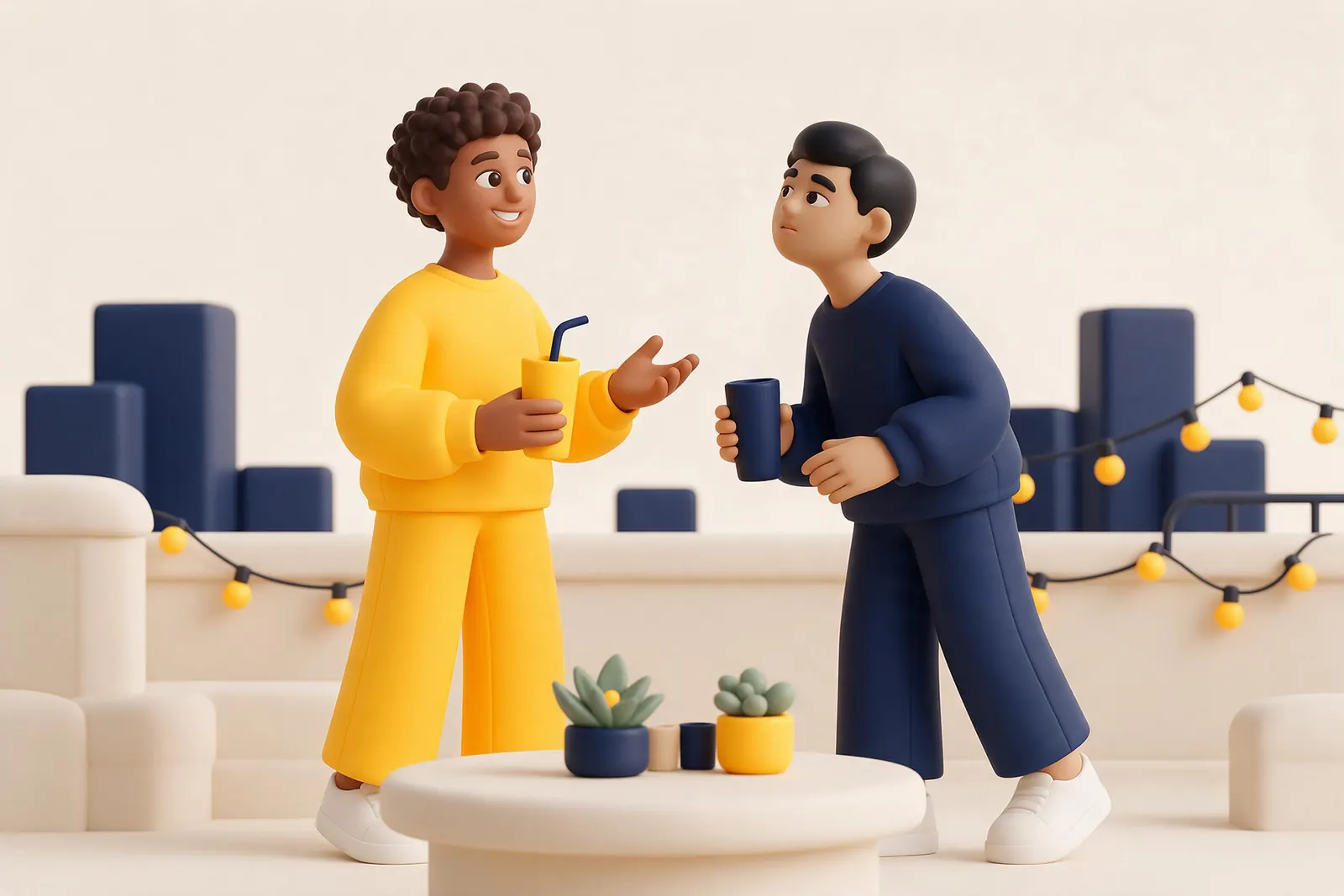 New People
Openers, small talk, reading if they want to keep going, making new friends.
How to start a conversation → Dating
 Relationships
Needs, comfort, fights, a partner who’s gone quiet, apologies, big decisions.
How to communicate better with your partner → Friends
 Work & Career
Meetings, feedback, being overlooked, asking for a raise, networking.
Communication in the workplace →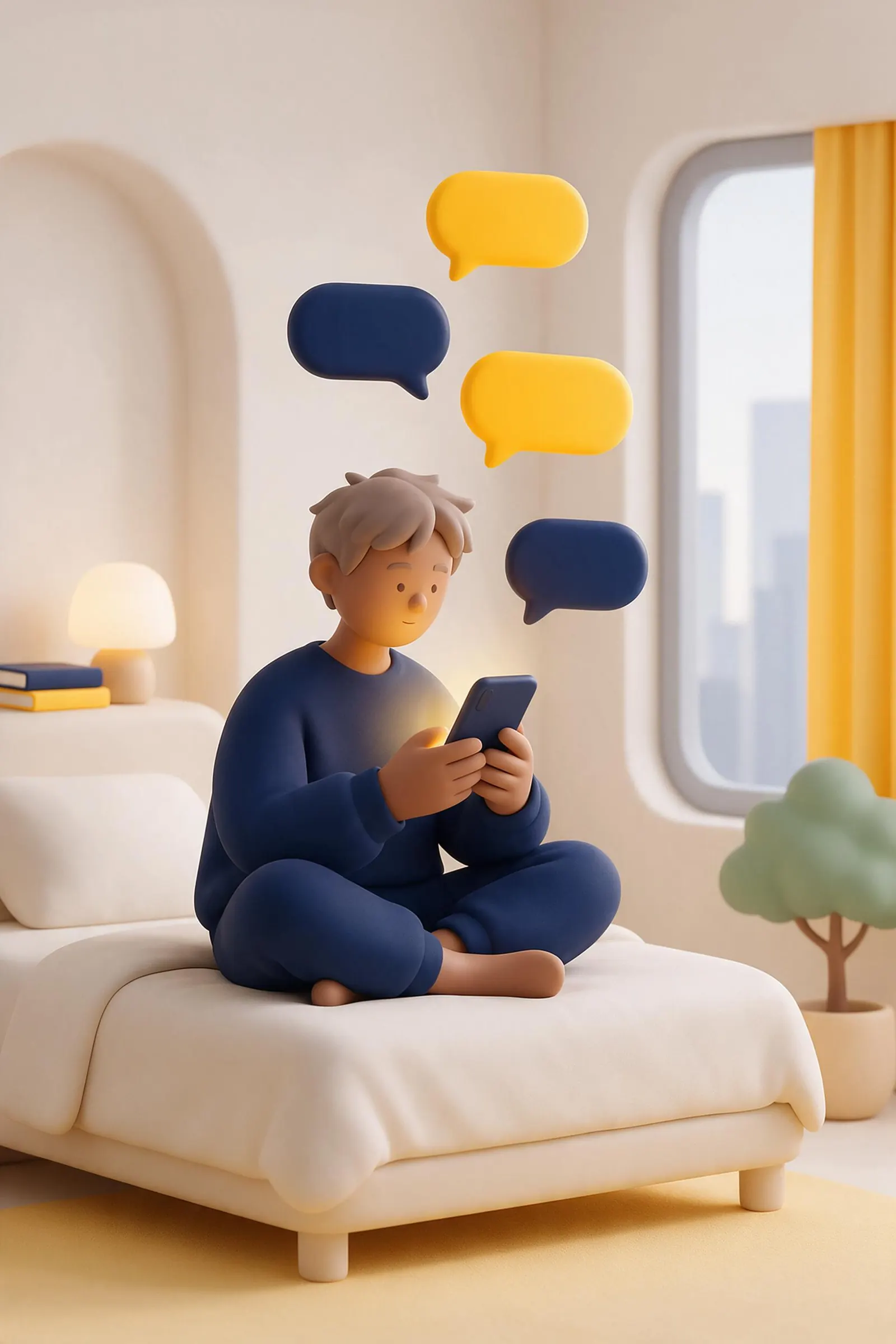 Messages & Online
 Everyday Life
New moments added all the time — and you can send in one of your own.
 Reading People
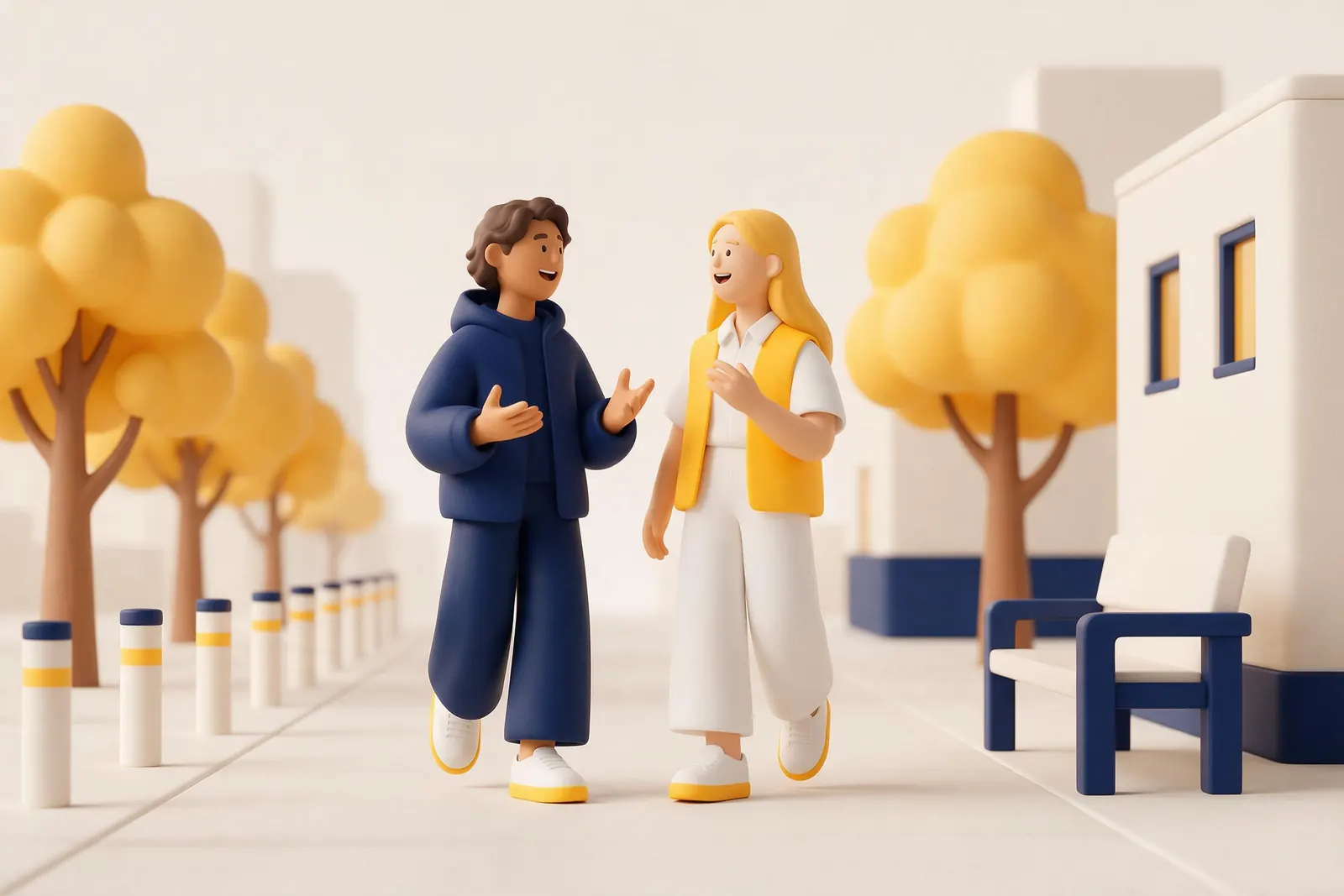 Conversation Skills
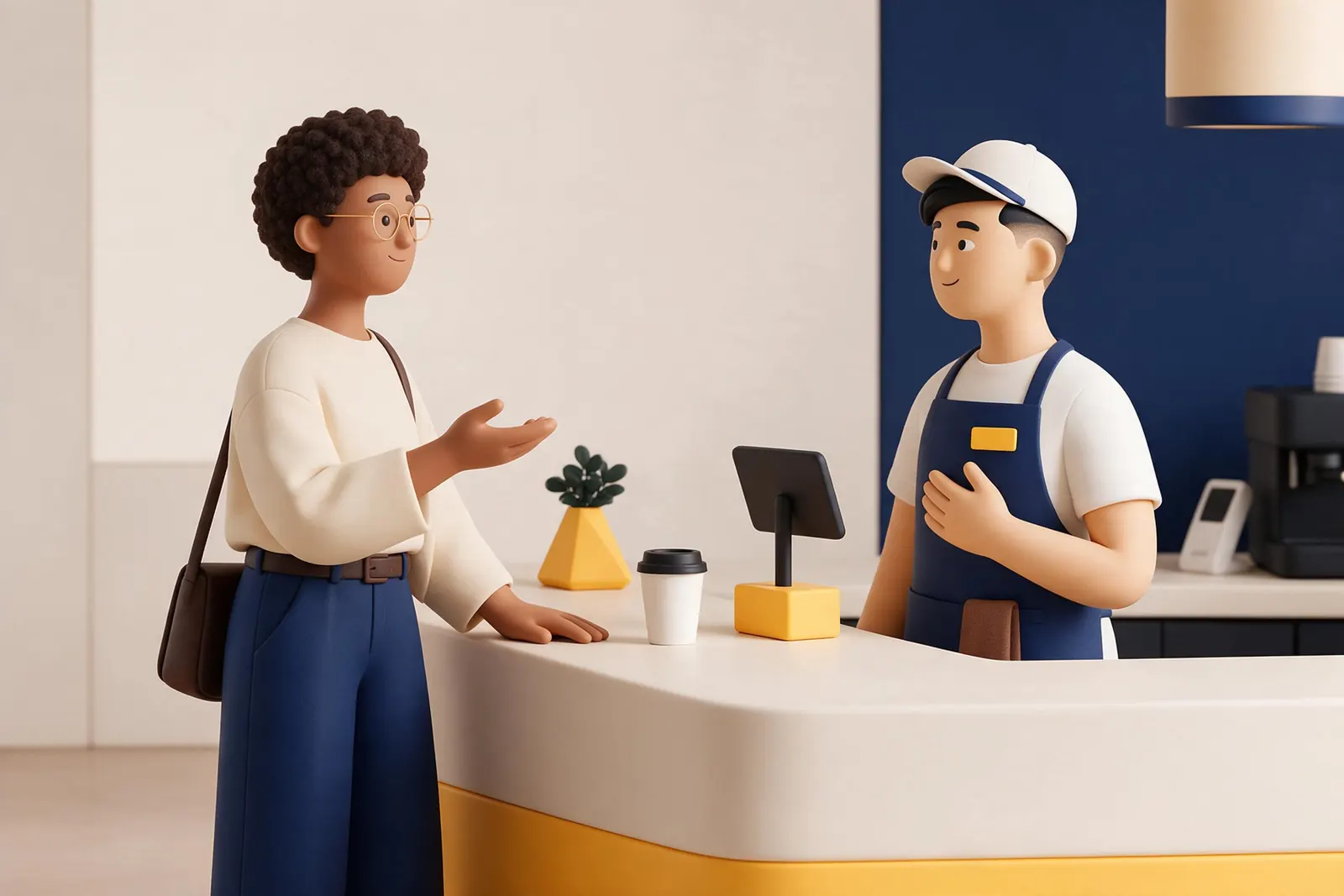 Speaking Up
 Social Confidence
Free to start. Worth keeping.
- ✓ The first 3 moments in every scene and skill
- ✓ 5 AI coach replies a day
- ✓ Everything in Warm-up, plus:
- ✓ Every moment in all 11 scenes and skills
- ✓ Every new moment we add
- ✓ AI coach on every round — up to 100 a day
- ✓ Everything in Warm-up, plus:
- ✓ Every moment in all 11 scenes and skills
- ✓ Every new moment we add
- ✓ AI coach on every round — up to 100 a day
- ✓ Save ~50% — about $90 a year vs monthly
The best way to communicate better.
Practice the exact moment. Free to start, no card needed.