How to Stop Being Mean (Even When You Don’t Mean To)
Here’s how to stop being mean: notice the moment a joke or comment lands wrong, own it in one plain sentence, fix the actual problem instead of their pride, and talk about people the way you’d want to be talked about.
Dinner with a few friends. You crack a joke at Chris's expense — his dating life — expecting the usual round of laughs. A couple people chuckle, but Chris goes still.
Free · No sign-up · About a minute
Practice real conversations until you communicate better
Communicate Better is where you practice real conversations. Step into the moment, say it your way, and see how they react — then get coached on a better line.
- Type what you’d say
- See where they’re coming from
- See how it lands — and a better line
How to stop being mean in 4 steps
Most people who come off mean aren’t cruel. They’re tired or quick with a line. Learning how to stop being mean is catching the moment it lands wrong and fixing it fast.
Watch the other person, not the laugh
A joke is only a joke if the target laughs too. When the laugh dies fast, someone goes still or says “yeah… anyway,” it landed wrong. Don’t double down. Ease off and say something kind about them instead.
Own it in one plain sentence
When someone tells you that you were harsh, answer with a plain yes: “Yeah, that was sharper than it needed to be. Sorry.” No “but I was busy,” no “you’re too sensitive.” Defend it, and people stop telling you — and then you never learn how to stop being mean.
Fix the problem, not their pride
When someone asks for your help, correcting them with a laugh or a “did you even read it?” makes them feel stupid. Point to what to change and help them change it. Being right doesn’t require being sharp; learning that is part of how to improve social skills.
Talk about others kindly
Riffing on someone who isn’t there feels harmless. But the people listening guess how you talk about them from how you talk about others. When your friend stops laughing, stop too. That’s how to stop being mean in the places people notice most.
How to stop being mean without these common mistakes
- Saying “I was just joking.” It tells the other person their hurt doesn’t count.
- Over-apologizing until they have to comfort you. One clear sorry is enough.
- Swinging to fake-nice. People trust honest and kind more than sweet and vague.
- Blaming your mood. Stress explains it; it doesn’t make it okay to aim it at someone.
How to stop being mean: what to say (examples)
Here’s how to stop being mean in the moments right after a sharp comment. The better lines own it, repair it and move on.
| The moment | Say this | Avoid this |
|---|---|---|
| Your joke at a friend’s expense falls flat | “Forget me — Chris has better taste than all of us combined.” | “What? It was a joke.” |
| A coworker says your reply felt like a call-out | “Yeah, that was sharper than it needed to be. Sorry, and thanks for telling me.” | “Well, it IS in the doc.” |
| A friend defends someone you’re roasting | “You’re right, I got on a roll and that was mean. Good for her.” | “Oh come on, you were laughing too.” |
| Your brother says, “Forget it, I’ll figure it out myself” | “Wait, I’m sorry. Laughing was a jerk move. Can I show you?” | “Fine, don’t take my advice.” |
| You snapped at your partner after a bad day | “I was short with you, and that wasn’t about you. Sorry.” | Acting normal and hoping they forget |
| A server gets your order wrong | “No worries — could I swap this for the one without onions?” | A sigh and “seriously?” |
Am I rude, or just honest?
Being honest and being mean aren’t the same thing. Honest is saying the true thing because it helps: “The GPA can go.” Mean is adding a little sting on top: “Did you seriously put this on here?” If you’re not sure which one you did (or you’ve been wondering why everyone is so mean to you), look at the other person’s face and ask yourself whether the extra words were for them or for you. Honest people can be direct and still kind — it’s a skill, and it gets easier the more you practice it.
How to stop being mean: FAQ
Why am I so rude to people?
Often it’s stress, tiredness, or a habit of teasing that came from family or friends. Sometimes it’s being quick with words before thinking about how they land. None of that makes you a bad person, and all of it can change.
How do I stop being mean to people I love?
Notice when you’re short with them — it’s usually when you’re tired or stressed. Say “I was short with you, sorry” right away, and try naming your mood before it spills over: “I’ve had a long day, give me ten minutes.” That’s how to stop being mean at home.
How can I stop being rude without being fake?
Keep the honesty, drop the sting. Say what’s true and useful, and leave off the sarcasm, eye-roll or “obviously.” Direct and kind is not fake; it’s just skilled.
Is “I was just joking” an apology?
No. It tells the other person their feelings were the problem. A real apology is short and owns the effect: “That joke was out of line. Sorry.”
How long does it take to stop being mean?
You’ll notice change quickly if you start catching moments as they happen. The key is repairing fast every time. Over weeks, the habit of catching it earlier becomes the habit of not saying it — that’s how to stop being mean for good.
How to stop being mean isn’t learned from a list. It’s built by practicing.
Communicate Better is built for one thing: helping you communicate better. Step into real moments, say it your way, and see how it lands — until the right words come without thinking.
Learn more about Communicate Better →Type what you’d say
Step into a real moment and reply in your own words, the way you’d actually say it. No multiple choice, no script.
See where they’re coming from
Then call what’s going on for them, what they mean and how they feel, and find out right away whether you read them right.
See how it lands — and a better line
An AI plays the other person and reacts to what you actually wrote. Then a coach shows you a better line and why it works. The moments you miss come back until you’ve got them.
7 scenes and 4 core skills — practice them all
1,100+ real moments to practice, from your first hello to the hardest talk.
 New People
Openers, small talk, reading if they want to keep going, making new friends.
How to start a conversation → Dating
 Relationships
Needs, comfort, fights, a partner who’s gone quiet, apologies, big decisions.
How to communicate better with your partner → Friends
 Work & Career
Meetings, feedback, being overlooked, asking for a raise, networking.
Communication in the workplace → Messages & Online
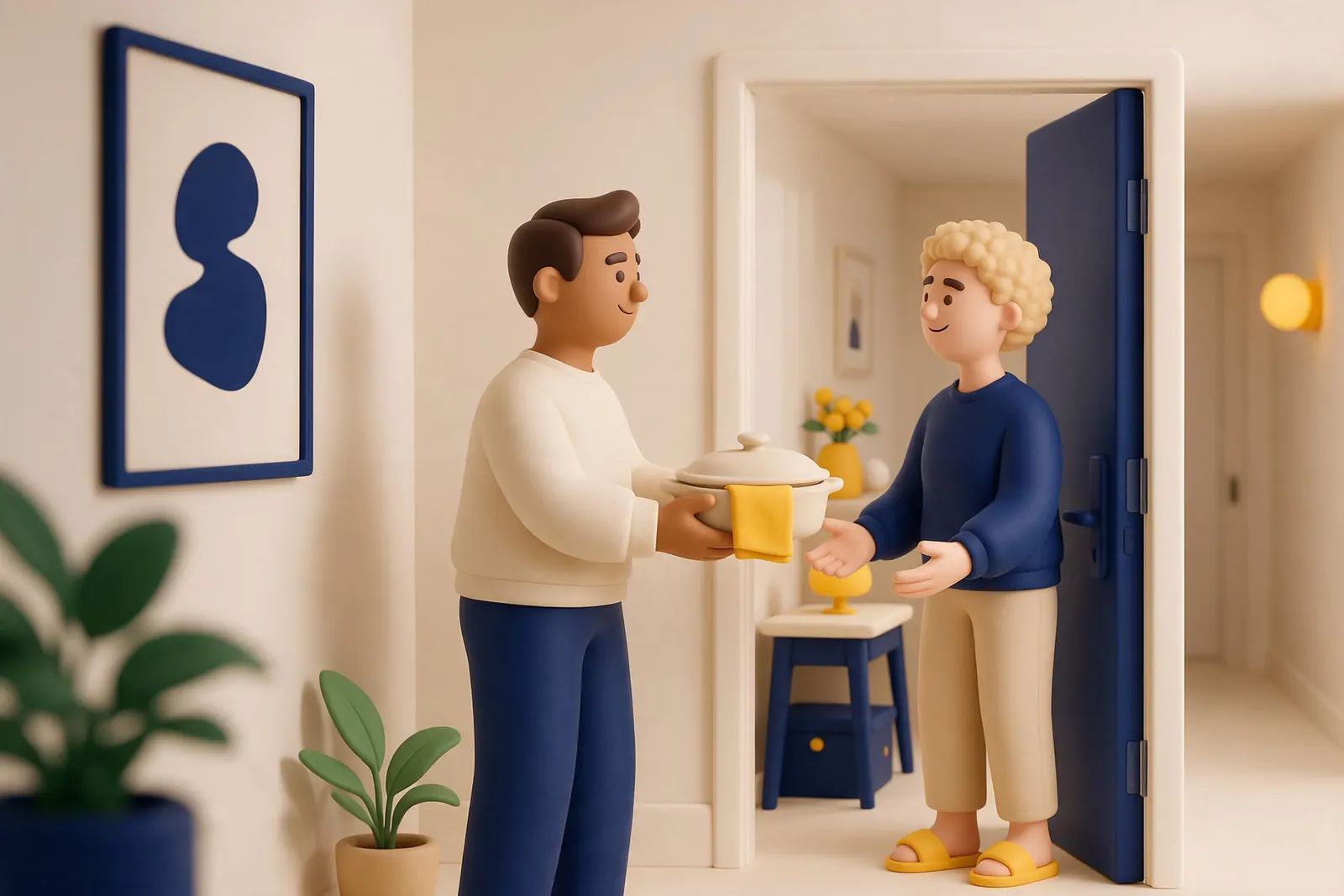 Everyday Life
New moments added all the time — and you can send in one of your own.
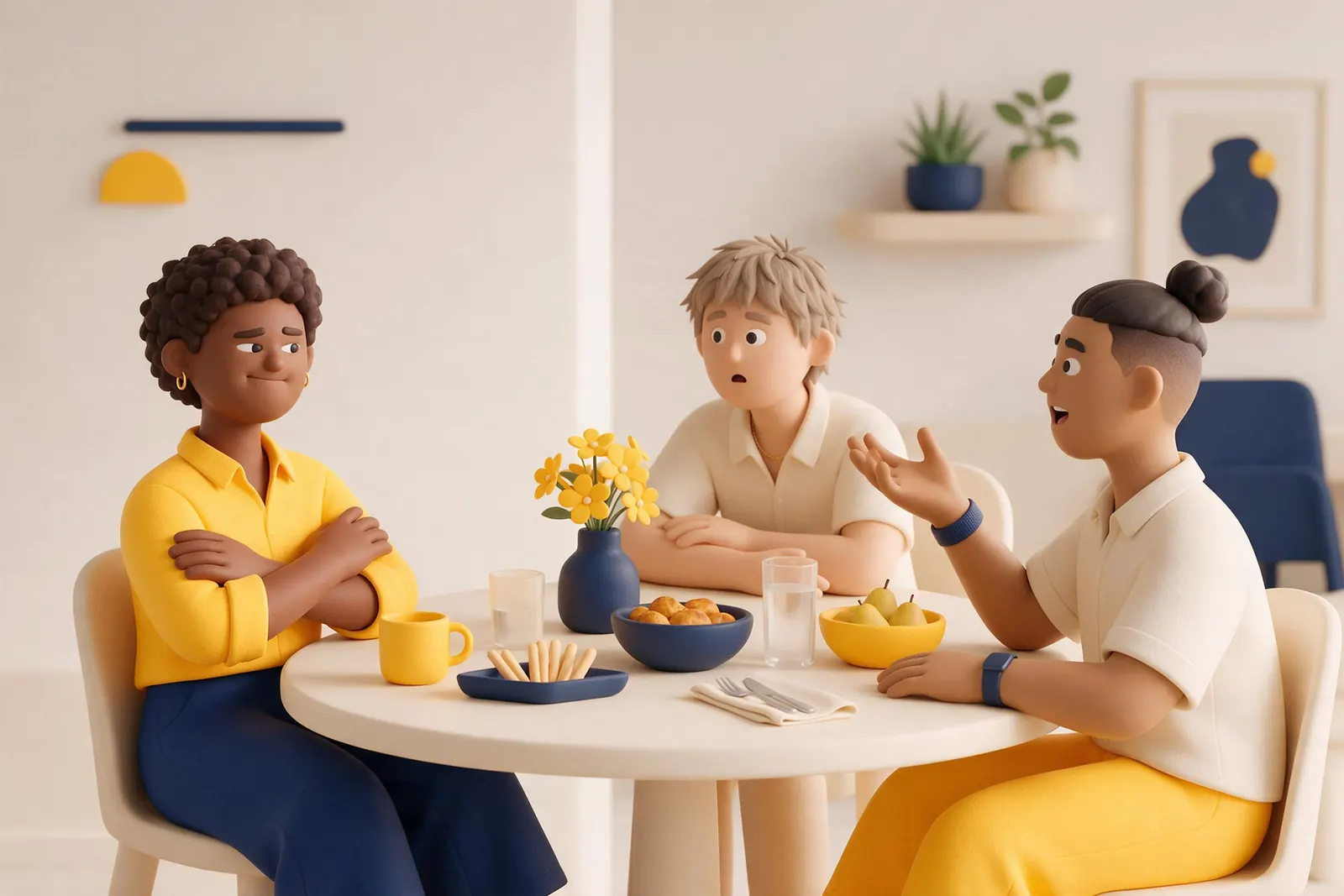 Reading People
 Conversation Skills
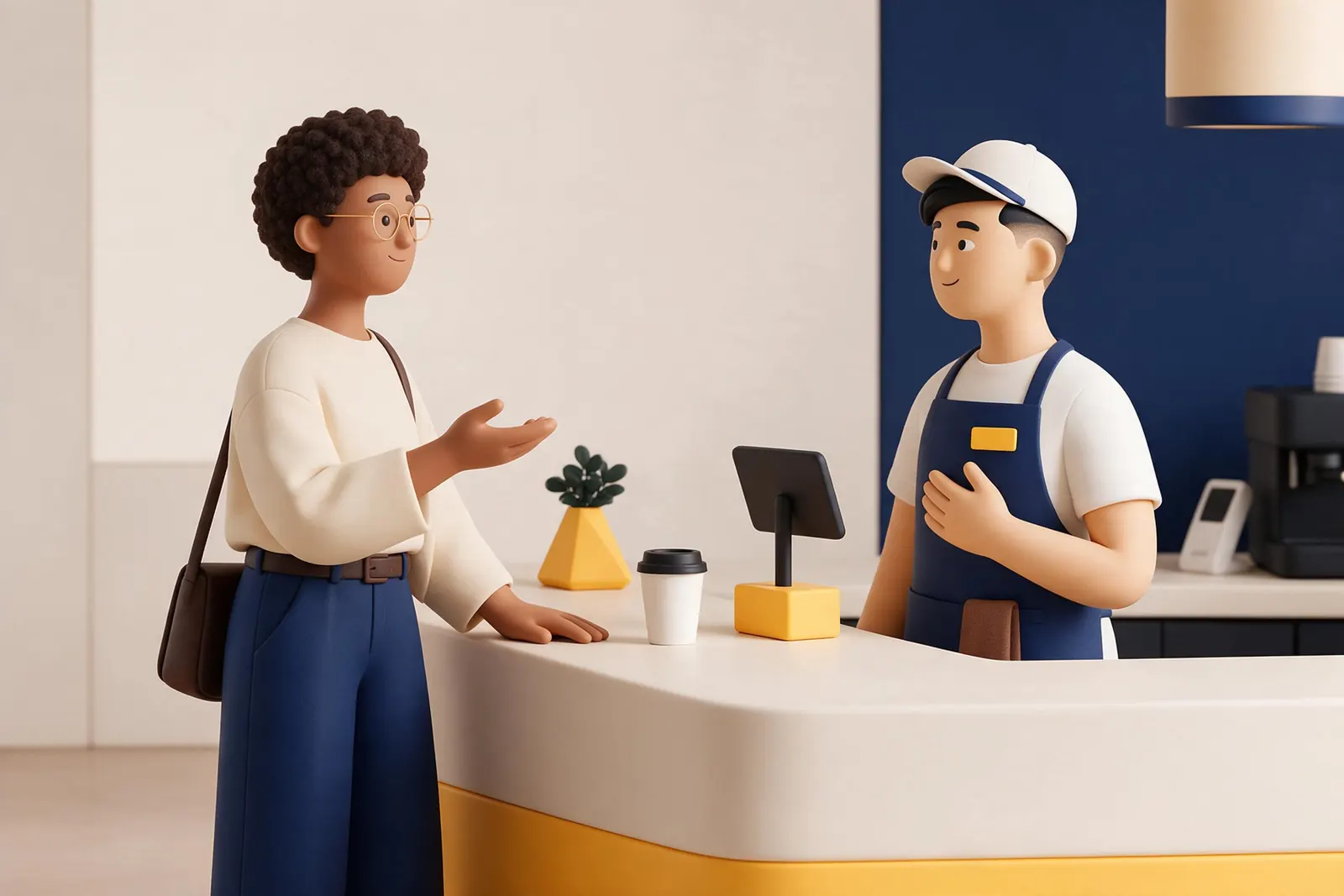 Speaking Up
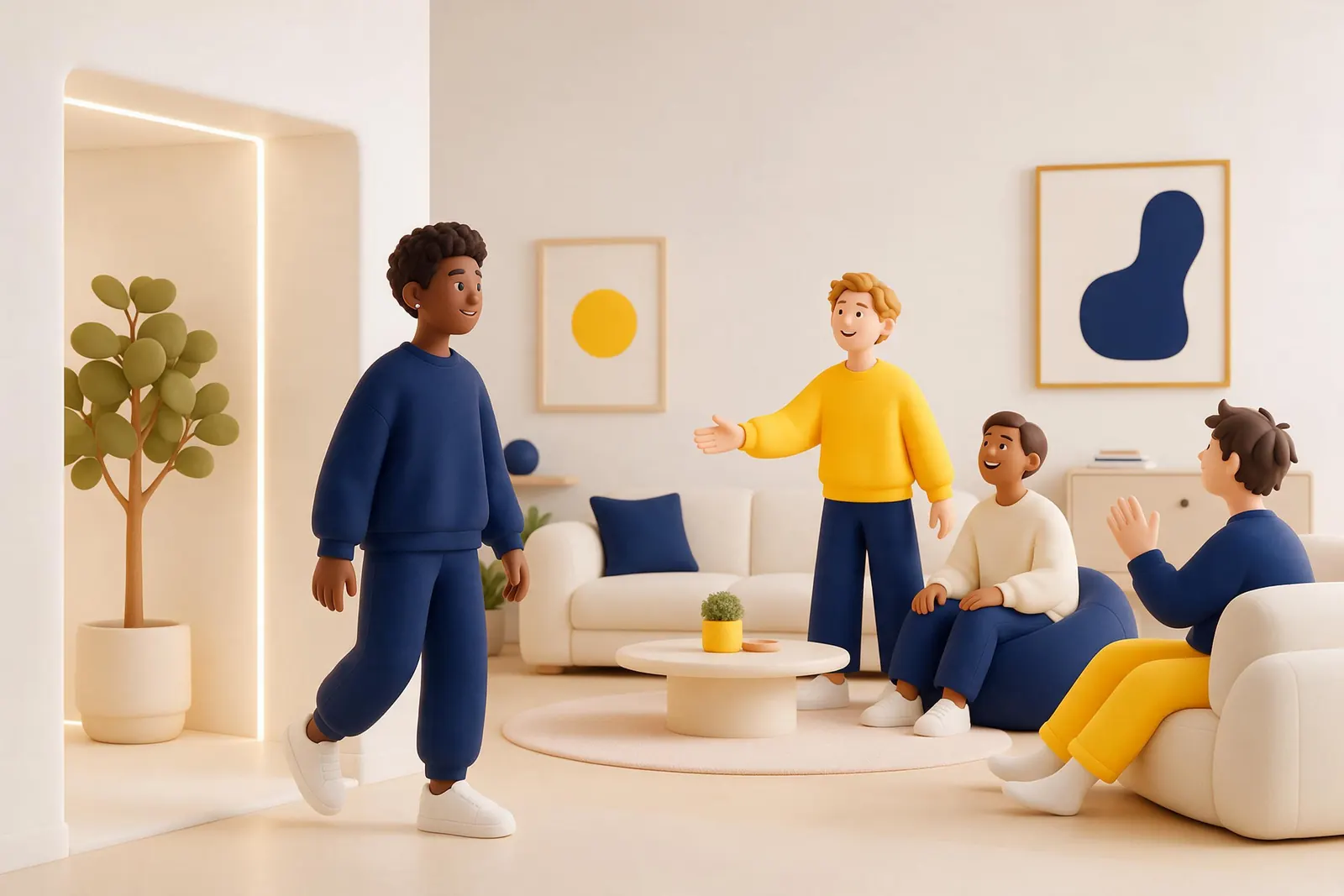 Social Confidence
Free to start. Worth keeping.
- ✓ The first 3 moments in every scene and skill
- ✓ 5 AI coach replies a day
- ✓ Everything in Warm-up, plus:
- ✓ Every moment in all 11 scenes and skills
- ✓ Every new moment we add
- ✓ AI coach on every round — up to 100 a day
- ✓ Everything in Warm-up, plus:
- ✓ Every moment in all 11 scenes and skills
- ✓ Every new moment we add
- ✓ AI coach on every round — up to 100 a day
- ✓ Save ~50% — about $90 a year vs monthly
The best way to communicate better.
Practice the exact moment. Free to start, no card needed.