Social Skills Game: Turn Play Into Real Practice
A good social skills game makes you respond to real people in real moments — a question, a joke, a loss — and shows you what happens next. Play it on purpose, one skill at a time, and the habits carry over to real life.
Your company's offsite kicks off with 'people bingo': find coworkers who match squares like 'has lived abroad' or 'can juggle.' You've been collecting signatures fast. You ask Emeka from the finance team, who you've never really talked to, about the 'has been on TV' square.
Free · No sign-up · About a minute
Practice real conversations until you communicate better
Communicate Better is where you practice real conversations. Step into the moment, say it your way, and see how they react — then get coached on a better line.
- Type what you’d say
- See where they’re coming from
- See how it lands — and a better line
How to use a social skills game to actually improve
Games give everyone a reason to talk, which makes them an easy place to practice people skills. A social skills game only helps if you treat each round as a rep.
Pick a game that makes you respond
The best social skills game puts you in moments where you have to answer someone — not just take turns. Improv, conversation card games, people bingo and team puzzles all do this, like good social skills training for adults. Solo trivia doesn’t. If you’re playing online, choose a social skills game built around real conversations, not points alone.
Focus on one skill per session
Choose a single goal before you start: ask one follow-up question, say “yes, and” instead of stalling, or be a gracious winner. One skill at a time is how any social skills game turns fun into progress.
Notice how people react
Games give instant feedback. Did your teammate relax when you said “that jump gets everyone”? Did the table laugh or go quiet? Watch reactions, not just the score. Reading people is half of what a social skills game teaches.
Carry one line into real life
The payoff comes when a line from the game shows up at work or with friends. “Tell me the long story” works at a party. “Your pick next” works after any win. Practice in the game, then use it once in a real conversation; that’s how you improve social skills.
Social skills game mistakes to avoid
- Playing only to win. Crushing your friends at Catan isn’t the skill — handling it gracefully is.
- Hiding behind the rules and never talking outside your turn.
- Picking a game so hard or fast that nobody has time to actually talk.
- Never reflecting. Without a quick “what worked?” after, a social skills game is just a game.
Social skills game moments: what to say (examples)
Every social skills game is full of small moments like these. The better lines keep the game fun and build real skills at the same time.
| The moment | Say this | Avoid this |
|---|---|---|
| A coworker in people bingo says they were on a cooking show | “Wait, I need the long story. How far did you get?” | “Cool, sign here.” (and on to the next square) |
| A friend says the game is “ninety percent dice” after you win | “You were one point away all night. Your pick for the next game?” | “Skill issue.” |
| Everyone’s talking over each other in an escape room | “Oona, quick test: the book spines. Ten seconds, then back to the clock.” | Shouting your idea louder than everyone else |
| A new squad member blames himself for a wipe | “That jump gets everyone. Run it back? I’ll cover you.” | A long sigh on voice chat |
| A card asks what your friend is most afraid of | “My guess, and tell me if I’m off: being a burden? Am I close?” | A joke answer to dodge the question |
| Your improv partner opens with something bizarre | “Okay, stay calm. How long has she been up there?” | “Um… what?” |
Social skills games online for teens and adults
Online, a social skills game can go further than a board game: it can pause a moment and let you think. In the practice scenes on this site, you work out what someone needs, pick or write a reply, and see how they’d likely react — then learn the principle behind a better answer. It works for adults and older teens who want to practice work, friendship and everyday moments without an audience, as many times as they like.
Social skills game: FAQ
What is a social skills game?
A social skills game is any game that makes you practice interacting with people: starting conversations, listening, cooperating, reading emotions, winning and losing well. It can be a party game, improv, a team puzzle or an online practice app.
What are good social skills activities for adults?
Improv classes, conversation card games, escape rooms, team sports, co-op video games and volunteer events all work, because each one gives you a shared task and a reason to talk. Online practice scenes are useful when you want to rehearse a specific moment first.
What are good social skills activities for teens?
Team games, drama or improv clubs, group projects and role-play of real moments, like asking a teacher for help or joining a group at lunch. Teens usually learn fastest when the activity feels like fun, not a lesson.
Are there social skills games online for free?
Yes. Many online tools offer free practice. On this site, the scene at the top of this page is free with no sign-up, and a free account unlocks the first moments in every category.
Do apps really help improve communication skills?
They help most when they make you practice, not just read tips. Look for an app that puts you in realistic moments, lets you respond, and explains what would work better — then use what you learn in real conversations.
A social skills game that trains the moments you actually face.
Communicate Better is built for one thing: helping you communicate better. Step into real moments, say it your way, and see how it lands — until the right words come without thinking.
Learn more about Communicate Better →Type what you’d say
Step into a real moment and reply in your own words, the way you’d actually say it. No multiple choice, no script.
See where they’re coming from
Then call what’s going on for them, what they mean and how they feel, and find out right away whether you read them right.
See how it lands — and a better line
An AI plays the other person and reacts to what you actually wrote. Then a coach shows you a better line and why it works. The moments you miss come back until you’ve got them.
7 scenes and 4 core skills — practice them all
1,100+ real moments to practice, from your first hello to the hardest talk.
 New People
Openers, small talk, reading if they want to keep going, making new friends.
How to start a conversation → Dating
 Relationships
Needs, comfort, fights, a partner who’s gone quiet, apologies, big decisions.
How to communicate better with your partner → Friends
 Work & Career
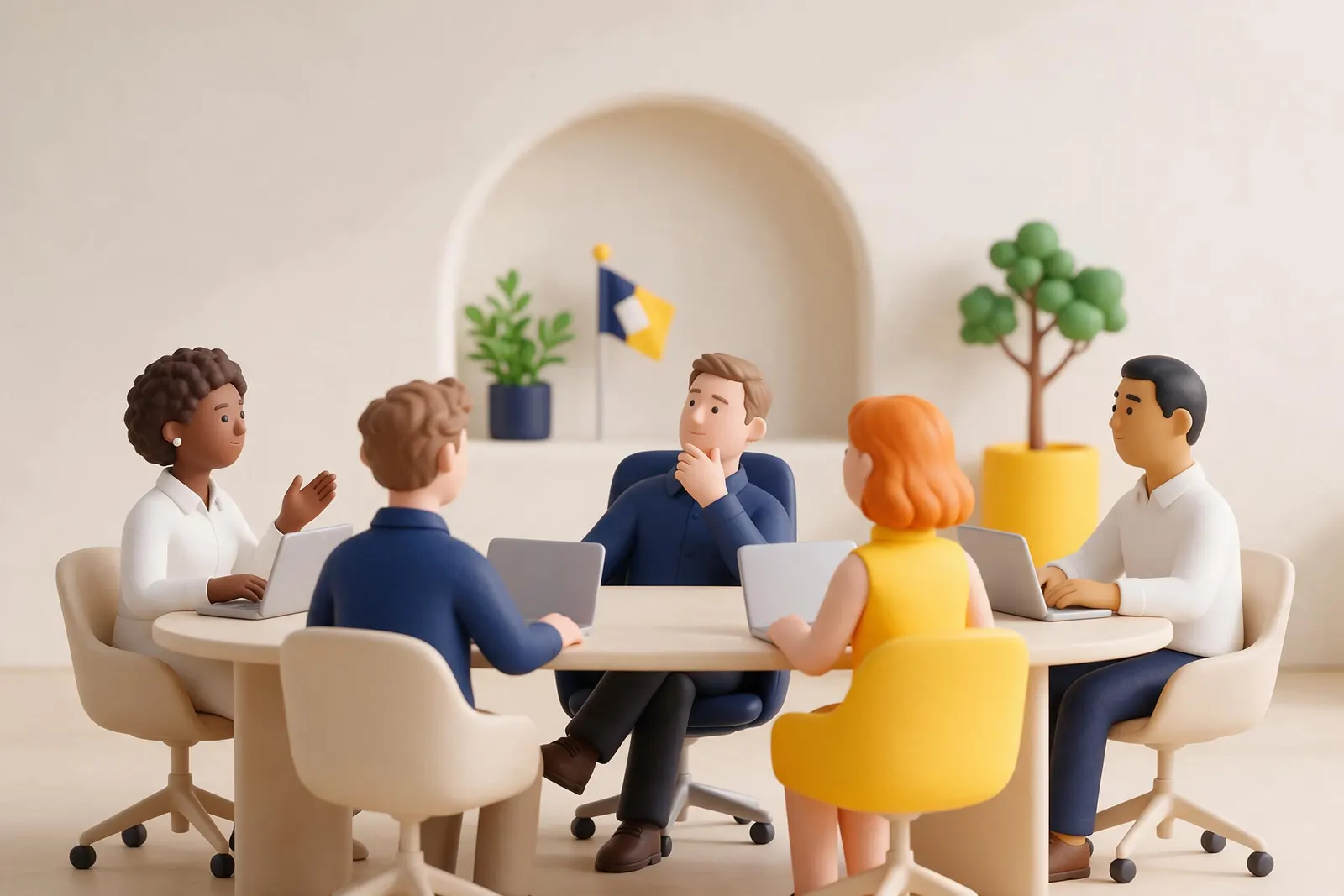
Meetings, feedback, being overlooked, asking for a raise, networking.
Communication in the workplace → Messages & Online
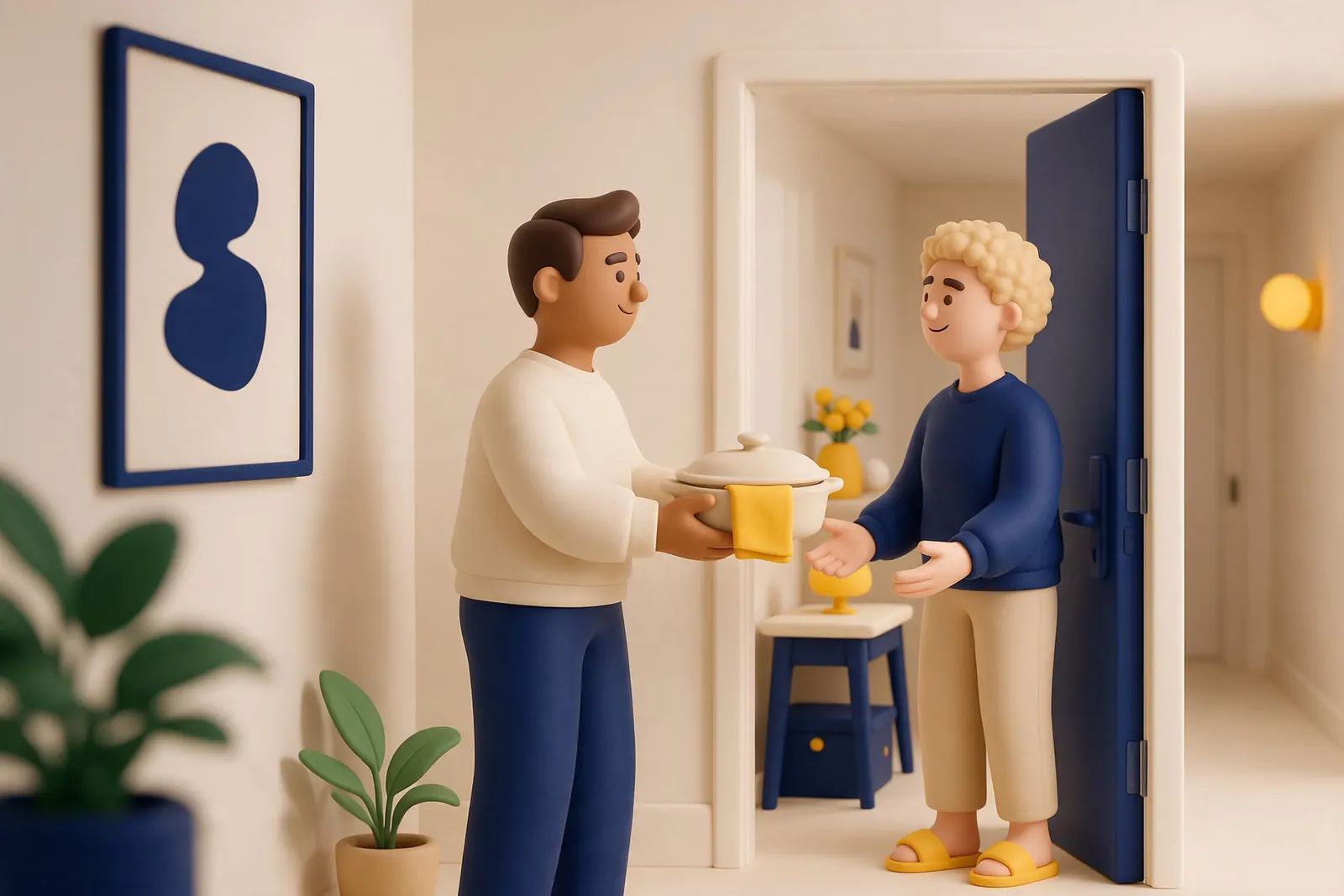 Everyday Life
New moments added all the time — and you can send in one of your own.
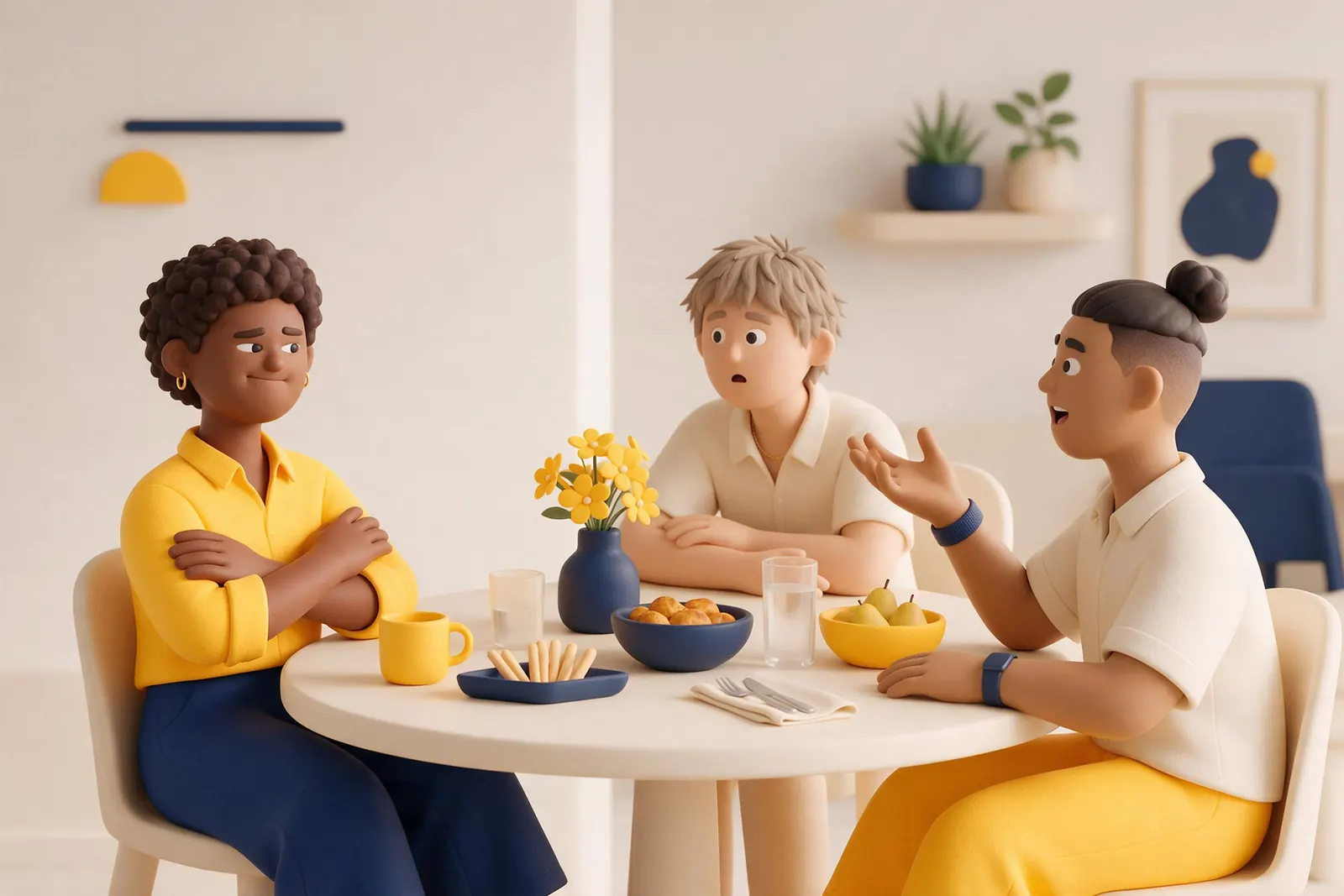 Reading People
 Conversation Skills
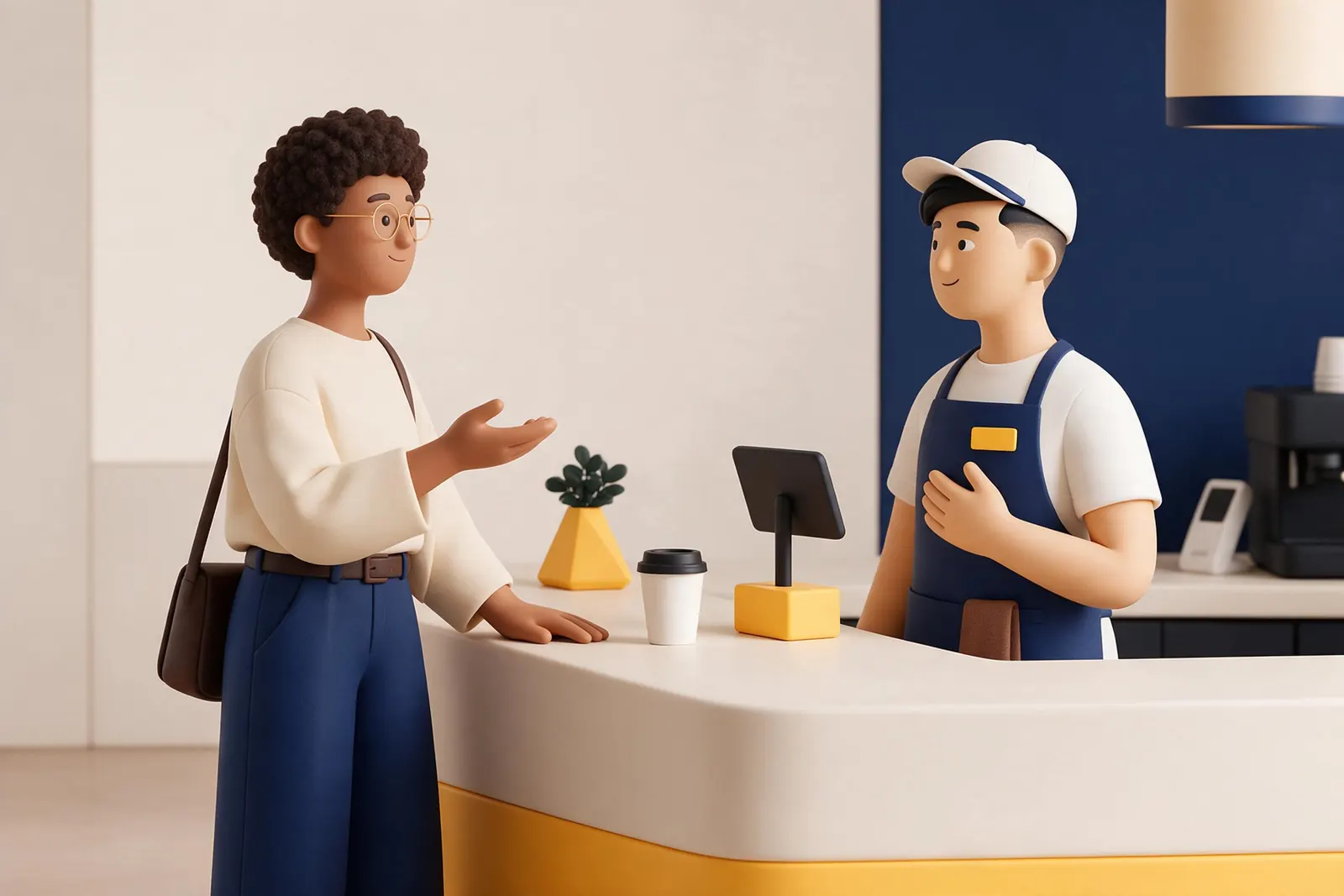 Speaking Up
 Social Confidence
Free to start. Worth keeping.
- ✓ The first 3 moments in every scene and skill
- ✓ 5 AI coach replies a day
- ✓ Everything in Warm-up, plus:
- ✓ Every moment in all 11 scenes and skills
- ✓ Every new moment we add
- ✓ AI coach on every round — up to 100 a day
- ✓ Everything in Warm-up, plus:
- ✓ Every moment in all 11 scenes and skills
- ✓ Every new moment we add
- ✓ AI coach on every round — up to 100 a day
- ✓ Save ~50% — about $90 a year vs monthly
The best way to communicate better.
Practice the exact moment. Free to start, no card needed.