How to Calm Someone Down Without Saying “Calm Down”
Here’s how to calm someone down: lower your own voice, acknowledge what they’re feeling before anything else, and only then move to the problem — one small next step at a time.
At brunch on Sunday, your friends were planning a trip, and you offered that Carla could drive four people to the airport Saturday — pickup at 5:30 a.m. You didn't ask her first. She found out from the group chat, and now she's in your kitchen, clearly upset. You care about her more than about being right.
Free · No sign-up · About a minute
Practice real conversations until you communicate better
Communicate Better is where you practice real conversations. Step into the moment, say it your way, and see how they react — then get coached on a better line.
- Type what you’d say
- See where they’re coming from
- See how it lands — and a better line
How to calm someone down in 4 steps
When someone’s angry or panicking, logic bounces off and “calm down” makes it worse. Knowing how to calm someone down is about the order: your calm first, then their feeling, then the problem.
Get calm yourself first
The first rule of how to calm someone down: people match the energy in front of them. Slow your breathing, lower your voice, and keep your body loose. You can’t talk someone down while you’re getting heated. If you’re the target of the anger, this is the hardest step and the most important one.
Acknowledge the feeling before the facts
Say what you see — the first rule of how to respond to strong feelings: “You’re really frustrated,” “This is scary,” “I get why you’re upset.” When someone feels heard, the need to shout drops — the same reason it works when you comfort someone. Skip the facts for now, even if they’re wrong about something. You can correct the details once they can hear them.
Own your part if there is one
If they’re mad at you and they have a point, say so plainly: “You’re right, I should have asked first.” Nothing deflates anger faster than agreement. If you did nothing wrong, you can still acknowledge their experience without accepting blame.
Shrink the problem to one next step
The last part of how to calm someone down is making the problem smaller once the heat drops: “Let’s just figure out the next hour,” or “What’s the one thing we need to decide right now?” People calm down when the situation feels manageable. And if someone is about to act on anger — send the email, grab the couch — suggest a pause, not a stop.
How to calm someone down: mistakes that make it worse
- Saying “calm down” or “relax” — it tells them their feelings are the problem.
- Matching their volume, or arguing the facts while they’re still hot.
- Defending yourself before acknowledging what they’re upset about.
- Taking over and solving everything for someone who just needs to be heard.
What to say when someone is upset with you: examples
Here’s how to calm someone down in the moments that come up most — what to say when someone is upset with you, or just upset, and what to avoid.
| The moment | Say this | Avoid this |
|---|---|---|
| A friend is mad you volunteered her | “You’re right. I should have asked. I’ll fix it with the group.” | “It’s not a big deal, it’s just a drive.” |
| Your friend forgot his passport | “Okay. Let’s look at the time. There might be a way.” | “How could you forget your passport?” |
| Two friends fighting over a couch | “Let’s set it down for a sec. Nobody’s leaving with it in the next five minutes.” | Picking a side mid-fight |
| The group chat is furious with you | “Totally on me. I found two other sites with space — voting now.” | A wall of excuses |
| An angry customer at your desk | “That’s really frustrating. Let me see what I can do right now.” | “That’s our policy.” (first thing out of your mouth) |
| Your partner is anxious before a big day | “That makes sense. What part is worrying you most?” | “You’ll be fine, stop worrying.” |
What to do when your friend is mad at you
When a friend is mad at you, don’t wait for it to blow over and don’t argue your case by text. Reach out, ask what happened from their side, and listen all the way through before you respond. If you messed up, own it simply. If it’s a misunderstanding, you can explain once they feel heard — not before. Most friendships survive a fight; far fewer survive a friend feeling like you didn’t care that they were upset.
How to calm someone down: FAQ
What do you say to calm someone down?
Try “I can see this is really upsetting,” “I’m here,” or “Let’s figure out the next step together.” Speak slowly and quietly. Avoid “calm down,” “relax,” and “it’s not a big deal,” which usually make people more upset.
How do you deal with an angry person?
Stay calm, give them space to vent, and acknowledge the feeling before the facts. Don’t argue while they’re at their peak. Once they’ve been heard, move to a small, concrete next step. If it becomes threatening, leave — calming someone down is never worth your safety.
What do you do when someone is mad at you?
Listen first, all the way through, without defending yourself. Then reflect what you heard: “So it felt like I didn’t take you seriously.” If you were wrong, apologize specifically. If you weren’t, you can say so calmly once they feel heard.
How do you calm someone down over text?
The rules for how to calm someone down still apply in writing. Keep messages short and steady, and don’t match all-caps with all-caps. Acknowledge first — “That sounds so frustrating, I’m sorry” — and offer to call if it’s big. Anger escalates fast in writing, and a voice helps.
What are empathy statements for angry customers?
“I understand why that’s frustrating,” “I’d be upset too,” and “Thank you for your patience while I fix this” all work. Pair them with action — customers calm down fastest when they can see you actually solving the problem.
How to calm someone down isn’t a trick you read. It’s a steadiness you practice.
Communicate Better is built for one thing: helping you communicate better. Step into real moments, say it your way, and see how it lands — until the right words come without thinking.
Learn more about Communicate Better →Type what you’d say
Step into a real moment and reply in your own words, the way you’d actually say it. No multiple choice, no script.
See where they’re coming from
Then call what’s going on for them, what they mean and how they feel, and find out right away whether you read them right.
See how it lands — and a better line
An AI plays the other person and reacts to what you actually wrote. Then a coach shows you a better line and why it works. The moments you miss come back until you’ve got them.
7 scenes and 4 core skills — practice them all
1,100+ real moments to practice, from your first hello to the hardest talk.
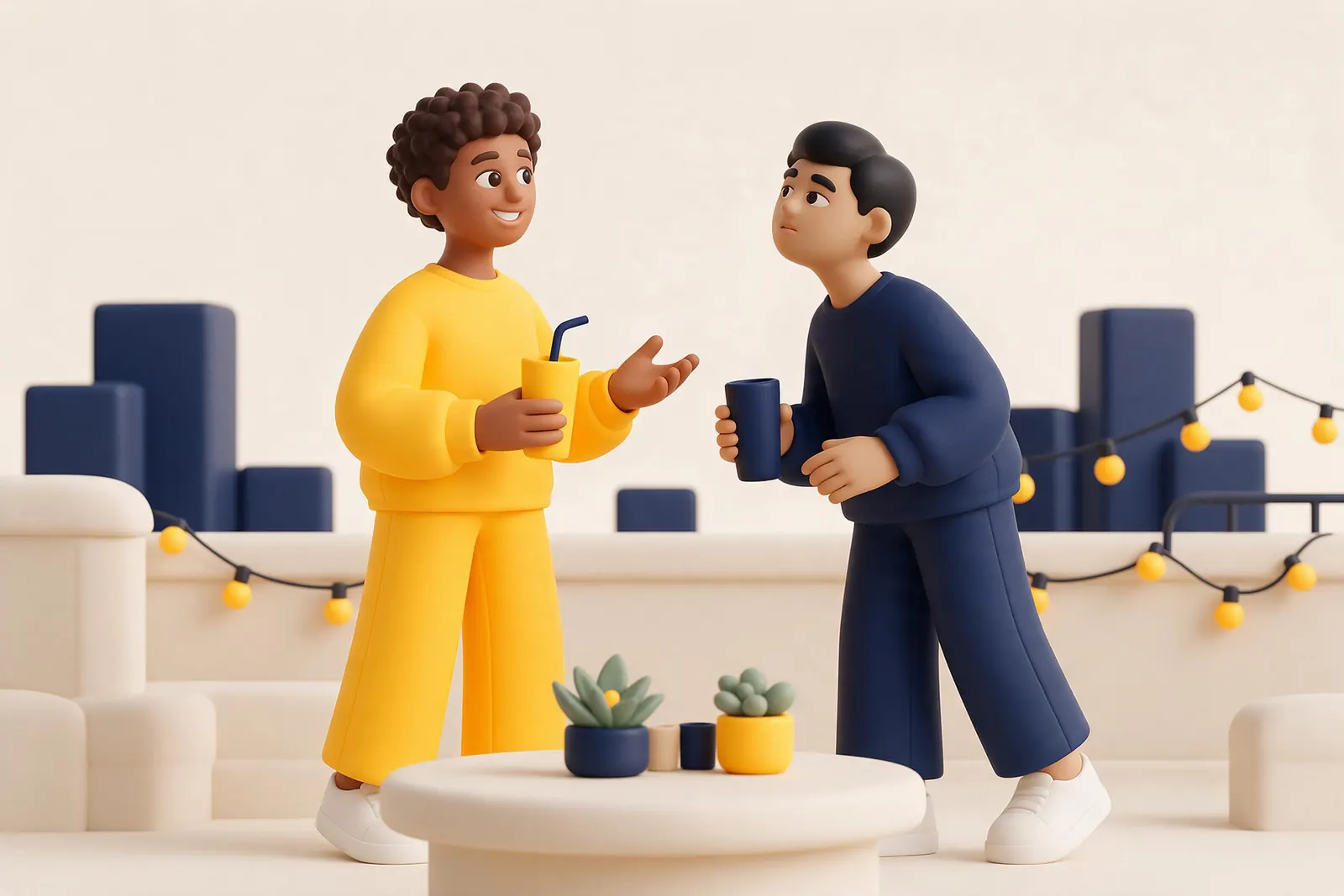 New People
Openers, small talk, reading if they want to keep going, making new friends.
How to start a conversation → Dating
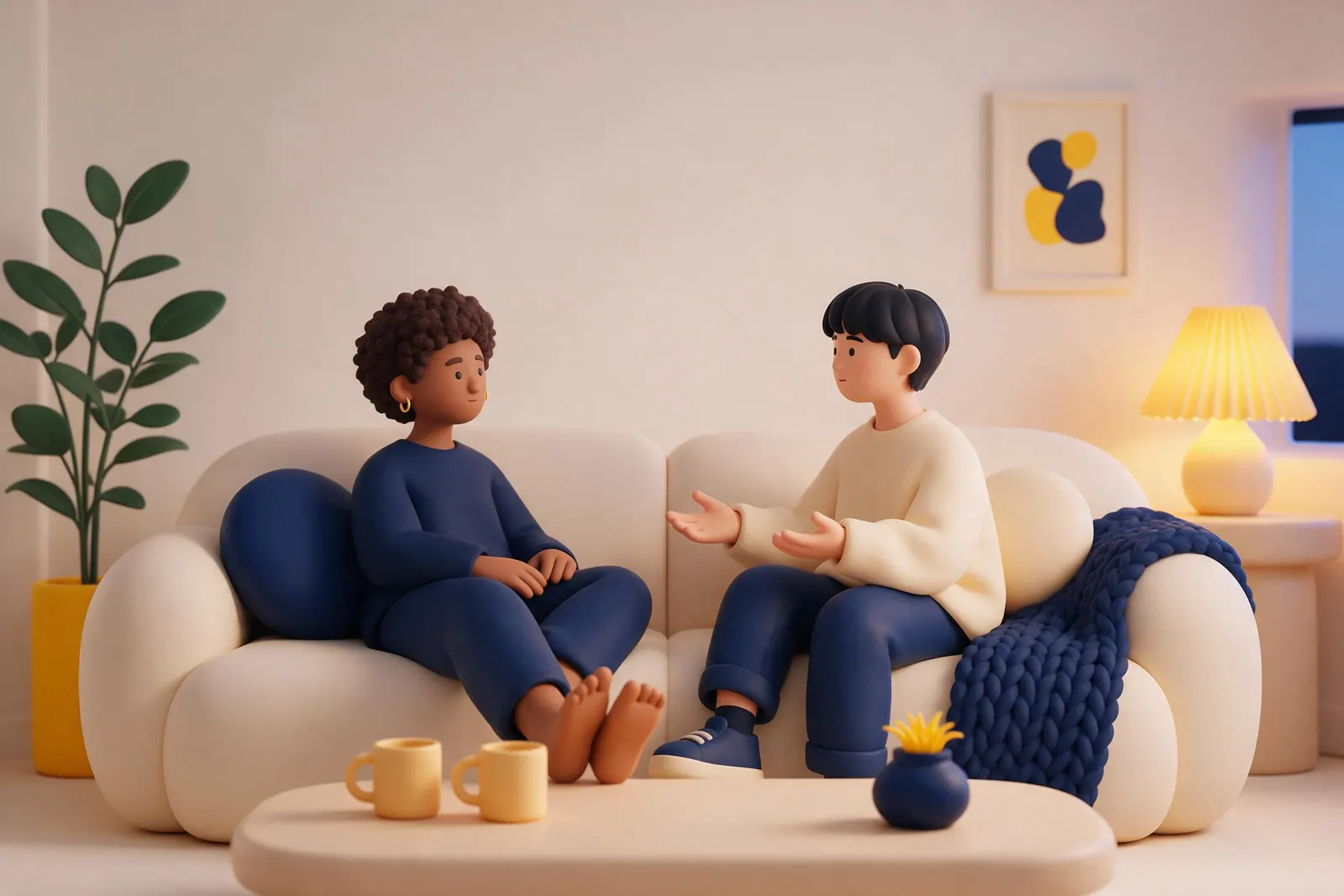 Relationships
Needs, comfort, fights, a partner who’s gone quiet, apologies, big decisions.
How to communicate better with your partner →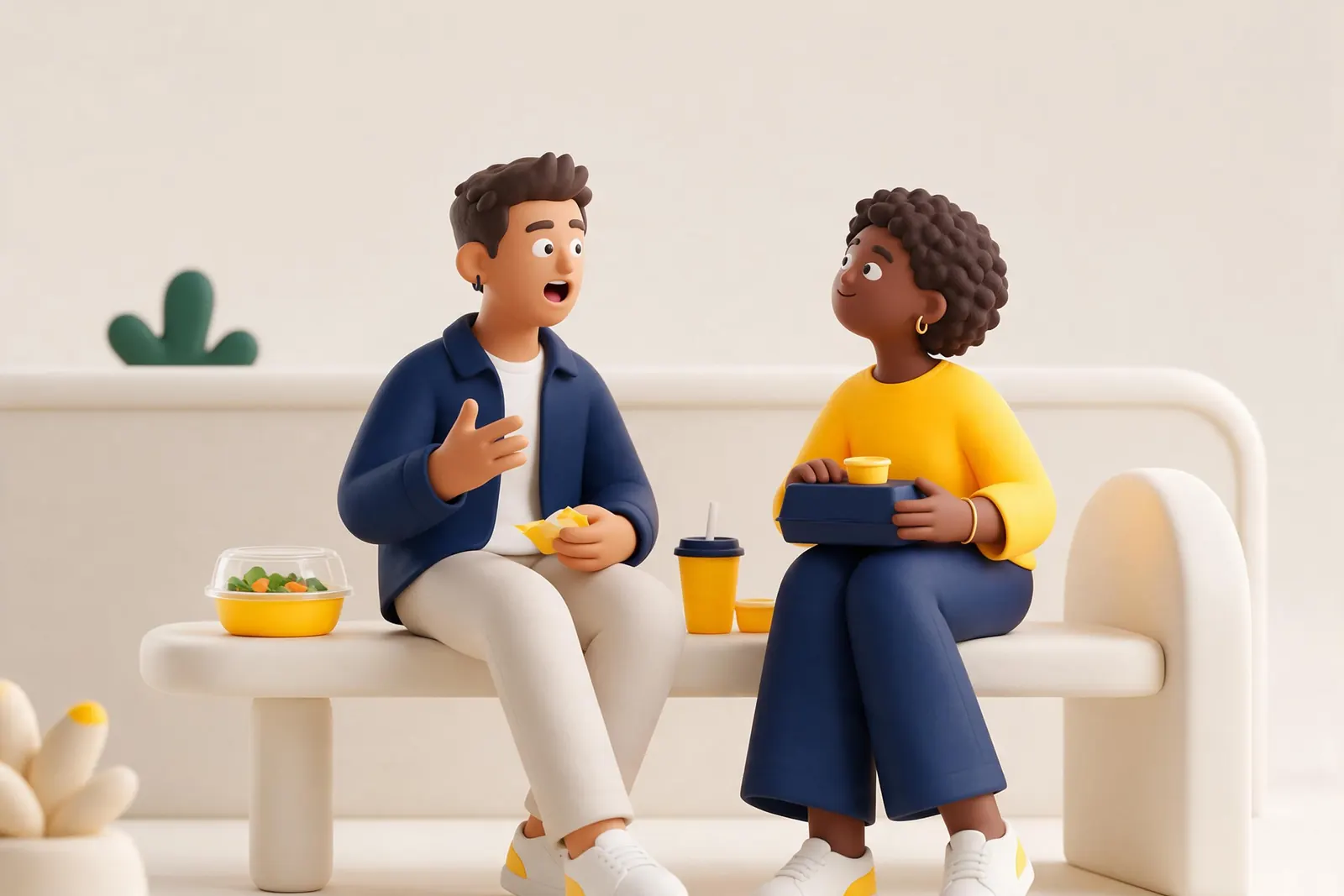 Friends
 Work & Career
Meetings, feedback, being overlooked, asking for a raise, networking.
Communication in the workplace → Messages & Online
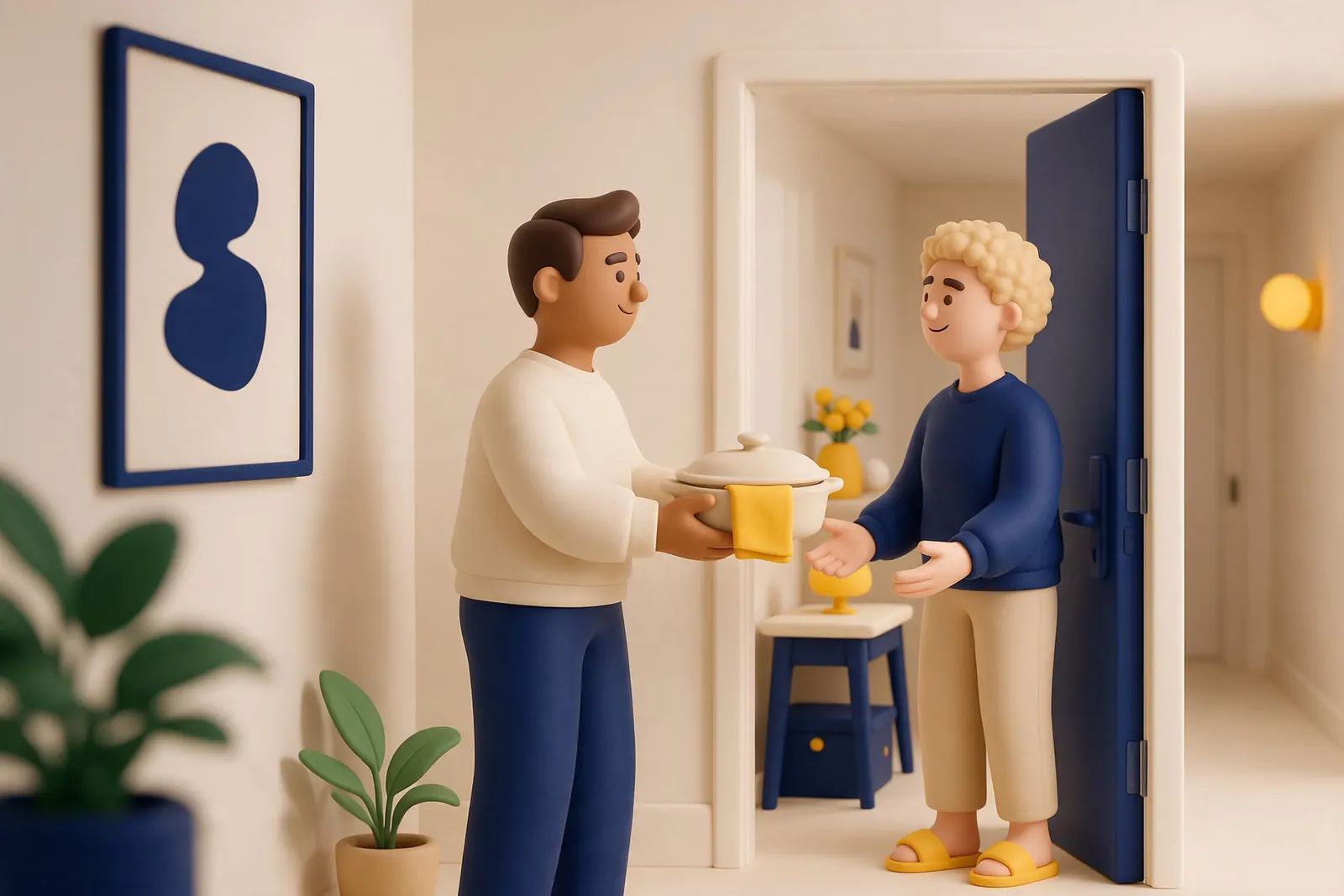 Everyday Life
New moments added all the time — and you can send in one of your own.
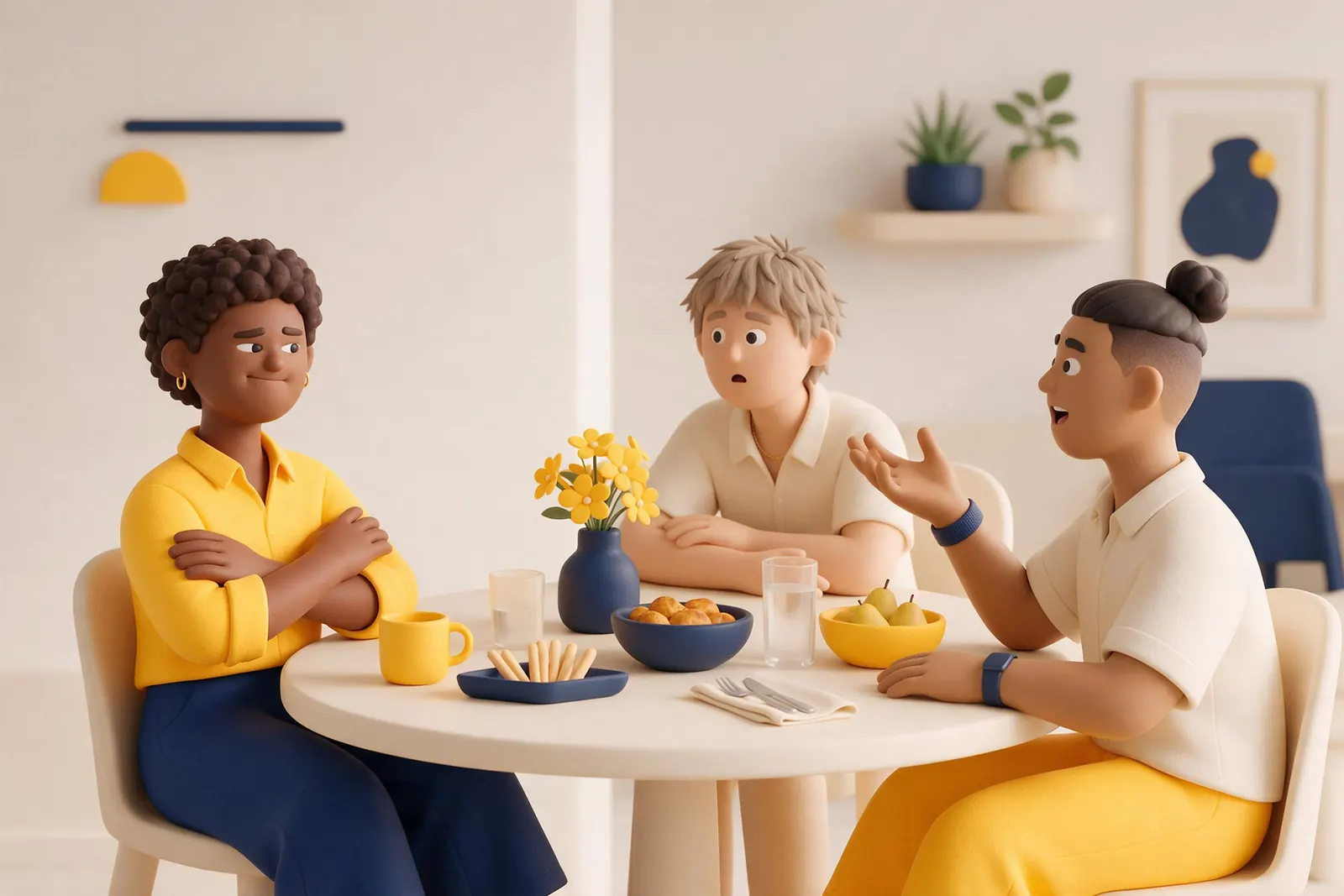 Reading People
 Conversation Skills
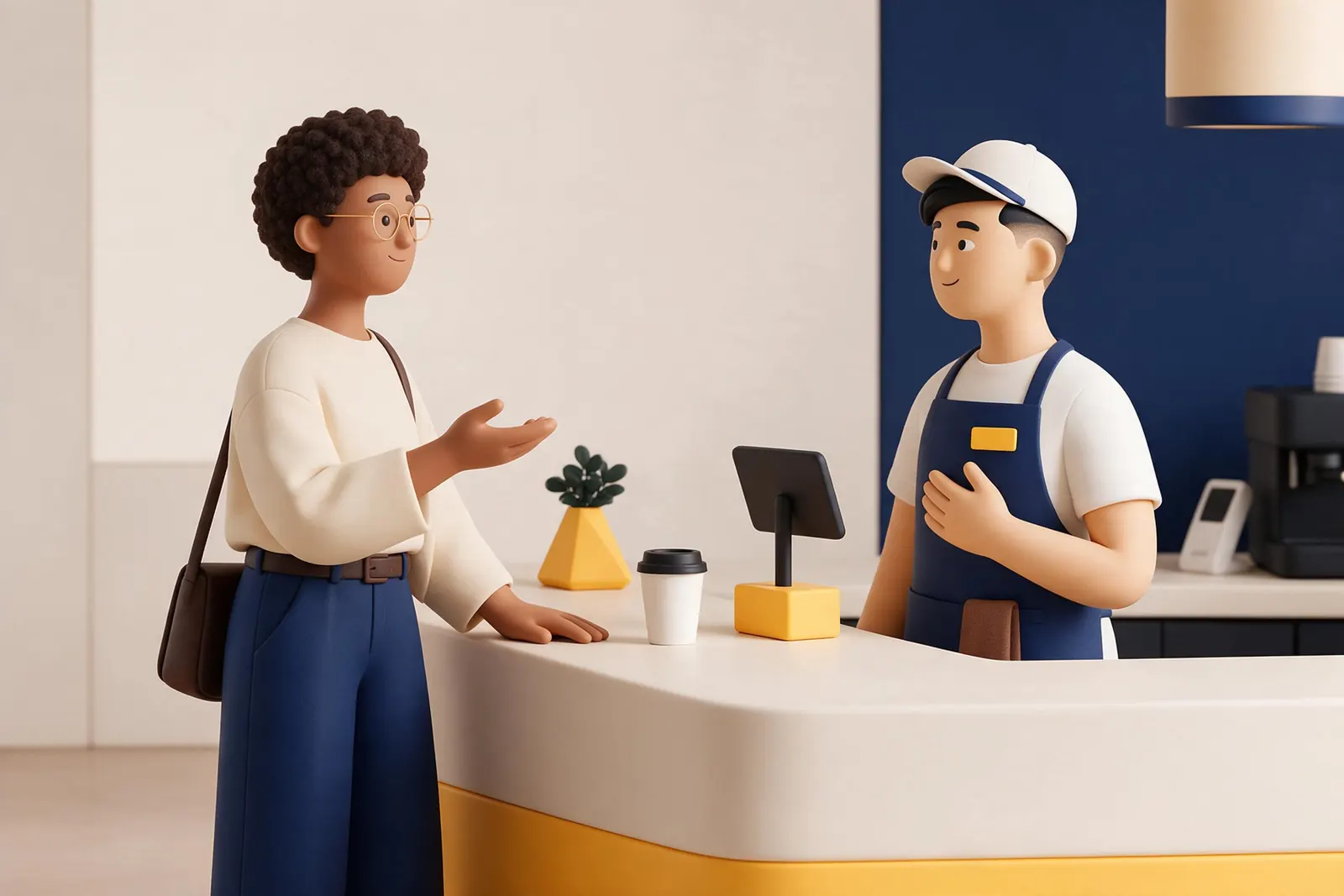 Speaking Up
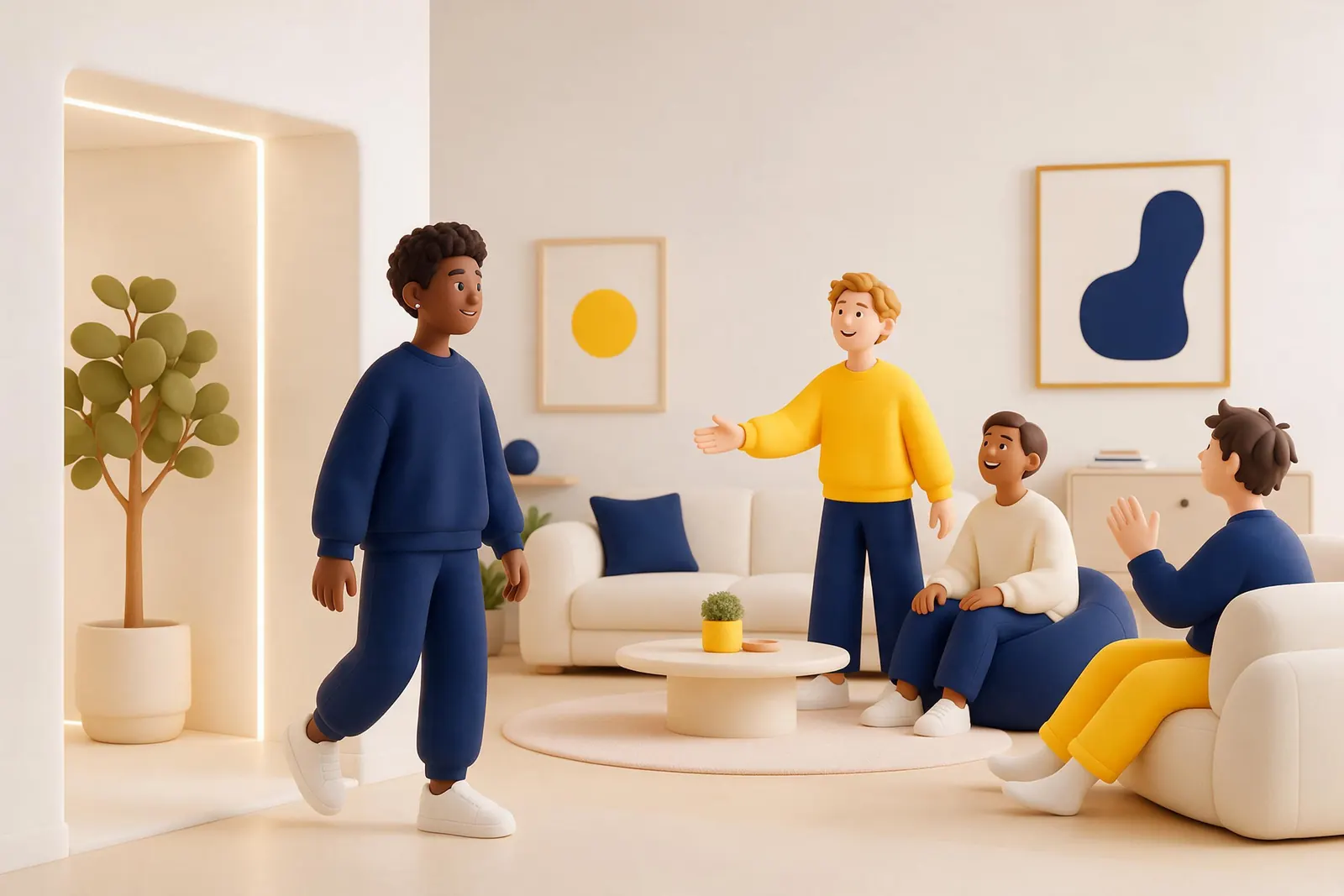 Social Confidence
Free to start. Worth keeping.
- ✓ The first 3 moments in every scene and skill
- ✓ 5 AI coach replies a day
- ✓ Everything in Warm-up, plus:
- ✓ Every moment in all 11 scenes and skills
- ✓ Every new moment we add
- ✓ AI coach on every round — up to 100 a day
- ✓ Everything in Warm-up, plus:
- ✓ Every moment in all 11 scenes and skills
- ✓ Every new moment we add
- ✓ AI coach on every round — up to 100 a day
- ✓ Save ~50% — about $90 a year vs monthly

The best way to communicate better.
Practice the exact moment. Free to start, no card needed.