How to Be More Assertive Without Being Rude
Here’s how to be more assertive: say the fact, say what you want, and say it once in a normal voice. No apology for asking, no speech about why.
You've been waiting in line at the pharmacy for ten minutes on your lunch break. Just as it's your turn, a man walks straight past the line to the counter.
Free · No sign-up · About a minute
Practice real conversations until you communicate better
Communicate Better is where you practice real conversations. Step into the moment, say it your way, and see how they react — then get coached on a better line.
- Type what you’d say
- See where they’re coming from
- See how it lands — and a better line
How to be more assertive in 4 steps
Assertive communication skills aren’t about being loud — they just mean what you need makes it out of your head and into the conversation. Here’s how to be more assertive in small, everyday moments first.
Catch the “it’s fine” reflex
The first step in learning how to be more assertive is noticing the moment you’re about to swallow something: the auto-reply “no worries!”, the nod when your order is wrong, the laugh when someone mispronounces your name. Pause there. You don’t have to say anything yet — just notice that you have a preference.
Say the fact, then the ask
An assertive response has two parts: what happened, and what you want. “I ordered medium-rare — could I get another one?” “I skipped the wine — can I send $30 for mine?” Facts are hard to argue with, and a clear ask gives people an easy way to fix it.
Drop the apology and the speech
You don’t need “sorry, this is so annoying, but…” before a reasonable request. You also don’t need a lecture. Say it once in a normal voice. Assertive statements work because they’re short — sarcasm, sighing or a raised voice turn them into something else.
Speak up early
Small things get harder to say the longer you wait. Correcting a name on day two is easy; on month two it feels huge. The same goes for a friend who keeps canceling or a doctor who seems to brush you off, and the longer you wait, the harder it is to confront someone about it. Knowing how to be more assertive is mostly about timing: say it while it’s still small.
How to be more assertive without these common mistakes
- Swinging to aggressive. Assertive isn’t “finally telling them off” — blame and volume make people defend, not listen.
- Hinting instead of asking. “Wow, this steak is… interesting” leaves the other person guessing what you want.
- Apologizing for having a need. “Sorry, sorry, I know it’s dumb, but…” shrinks your own request.
- Waiting until you’re furious. By then, a small ask comes out as a big fight.
How to be more assertive: what to say (examples)
Here’s how to be more assertive in the moments that come up most. Each assertive response is short, specific and still friendly.
| The moment | Say this | Avoid this |
|---|---|---|
| You feel brushed off at the doctor | “Before you go — it’s been two months, even when I sleep well. Could we do bloodwork to rule other things out?” | Nodding and leaving with the same worry |
| A friend cancels last minute, again | “Honestly, I’m a little bummed — I was almost there. Let’s pick a night you’re actually up for?” | “No worries!!” (when there are worries) |
| Someone talks over you in a meeting | “I’d like to finish my point, then I’m curious what you think.” | Going quiet for the rest of the meeting |
| A coworker takes credit for your idea | “Glad that’s landing — that was the proposal I sent Tuesday. Happy to walk through the details.” | Complaining about it to everyone but them |
| A contractor keeps missing dates | “We agreed on the 10th, and it’s the 17th. What date can you commit to?” | “It’s okay, whenever you can” |
| A partner decides plans without asking | “I’d like us to decide weekends together. Can we check in before saying yes?” | Going along and sulking all Saturday |
Assertive body language
Your words land better when your body agrees with them. Face the person, keep your voice at its normal volume, and let your sentence end on a flat or falling tone instead of rising into a question. Hold eye contact for the key line, then relax. You don’t need a power pose — you just need to not shrink while you say the thing. This works the same for a woman or a man, at work or at a restaurant.
How to be more assertive: FAQ
How can I be assertive without being aggressive?
To be assertive without being aggressive, talk about the situation, not the person, and ask for something specific. “I was next in line” is assertive; “Seriously? Are you blind?” is aggressive. Keep your voice normal and leave the other person room to fix it.
How do I become more assertive if I’m naturally shy?
Start with tiny reps where the stakes are low: sending back a wrong order, correcting how someone says your name, asking a question at the pharmacy. Shyness doesn’t have to go away first — the confidence usually shows up after you’ve said the thing a few times, not before.
What are some assertive statements I can use?
“I see it differently.” “That doesn’t work for me.” “I’d like to finish my point.” “Can we split it by what we ordered?” “I’m not comfortable with that.” Good assertive statements are short, start with “I,” and ask for something clear.
Does assertiveness training actually work?
It works when it’s practice, not just reading. Knowing the formula is easy; saying it out loud with your heart pounding is the hard part. Rehearsing real moments — in role-play, or in scenes like the one above — builds the reflex so the words are there when you need them.
How do I know if I’m being assertive or rude?
Check three things: Did you describe what happened instead of insulting the person? Did you ask for something reasonable? Did you say it once, in a normal voice? If yes, that’s assertive. Someone being surprised you spoke up doesn’t mean you were rude.
How to be more assertive isn’t learned from tips. It’s built by doing it.
Communicate Better is built for one thing: helping you communicate better. Step into real moments, say it your way, and see how it lands — until the right words come without thinking.
Learn more about Communicate Better →Type what you’d say
Step into a real moment and reply in your own words, the way you’d actually say it. No multiple choice, no script.
See where they’re coming from
Then call what’s going on for them, what they mean and how they feel, and find out right away whether you read them right.
See how it lands — and a better line
An AI plays the other person and reacts to what you actually wrote. Then a coach shows you a better line and why it works. The moments you miss come back until you’ve got them.
7 scenes and 4 core skills — practice them all
1,100+ real moments to practice, from your first hello to the hardest talk.
 New People
Openers, small talk, reading if they want to keep going, making new friends.
How to start a conversation → Dating
 Relationships
Needs, comfort, fights, a partner who’s gone quiet, apologies, big decisions.
How to communicate better with your partner → Friends
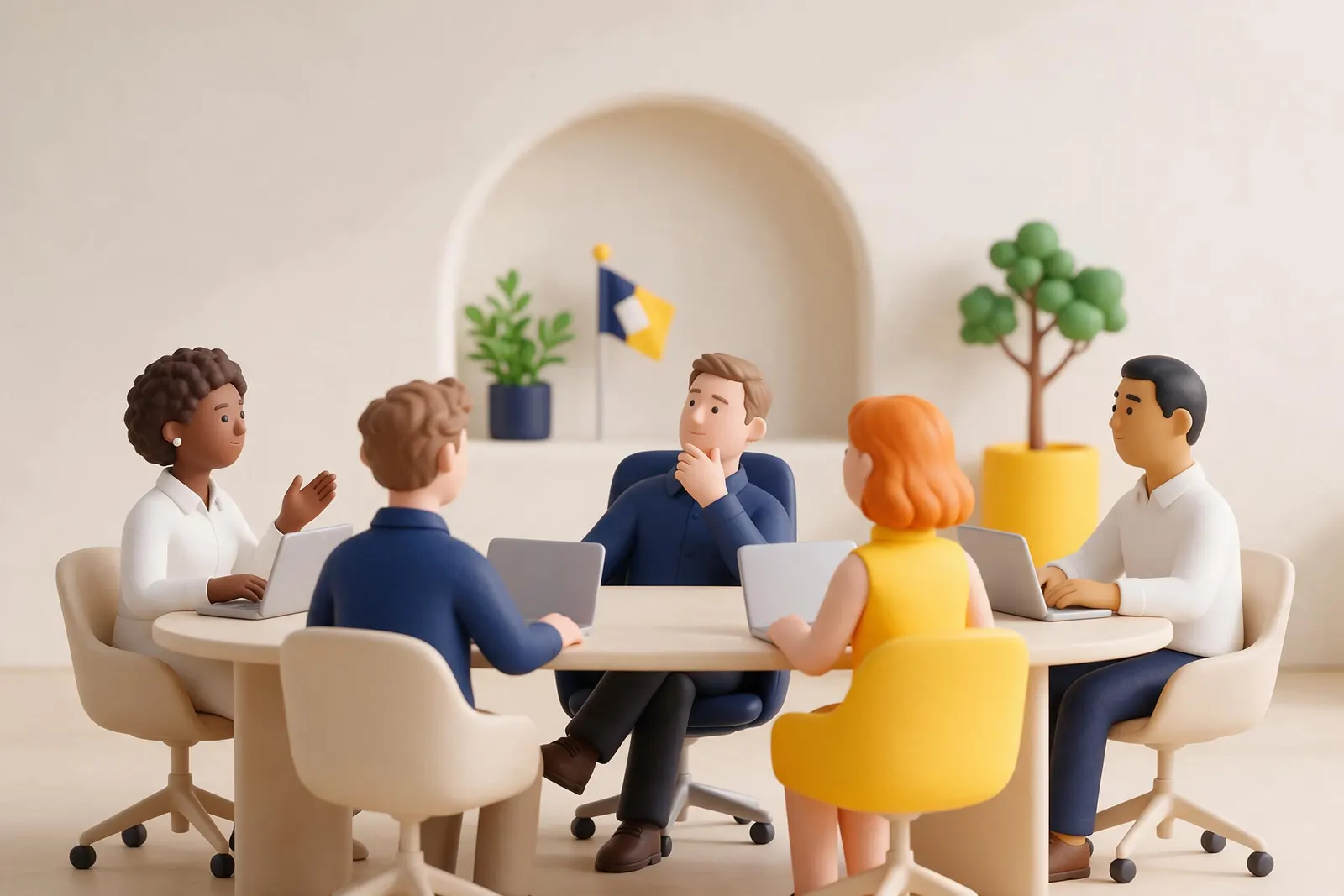 Work & Career
Meetings, feedback, being overlooked, asking for a raise, networking.
Communication in the workplace → Messages & Online
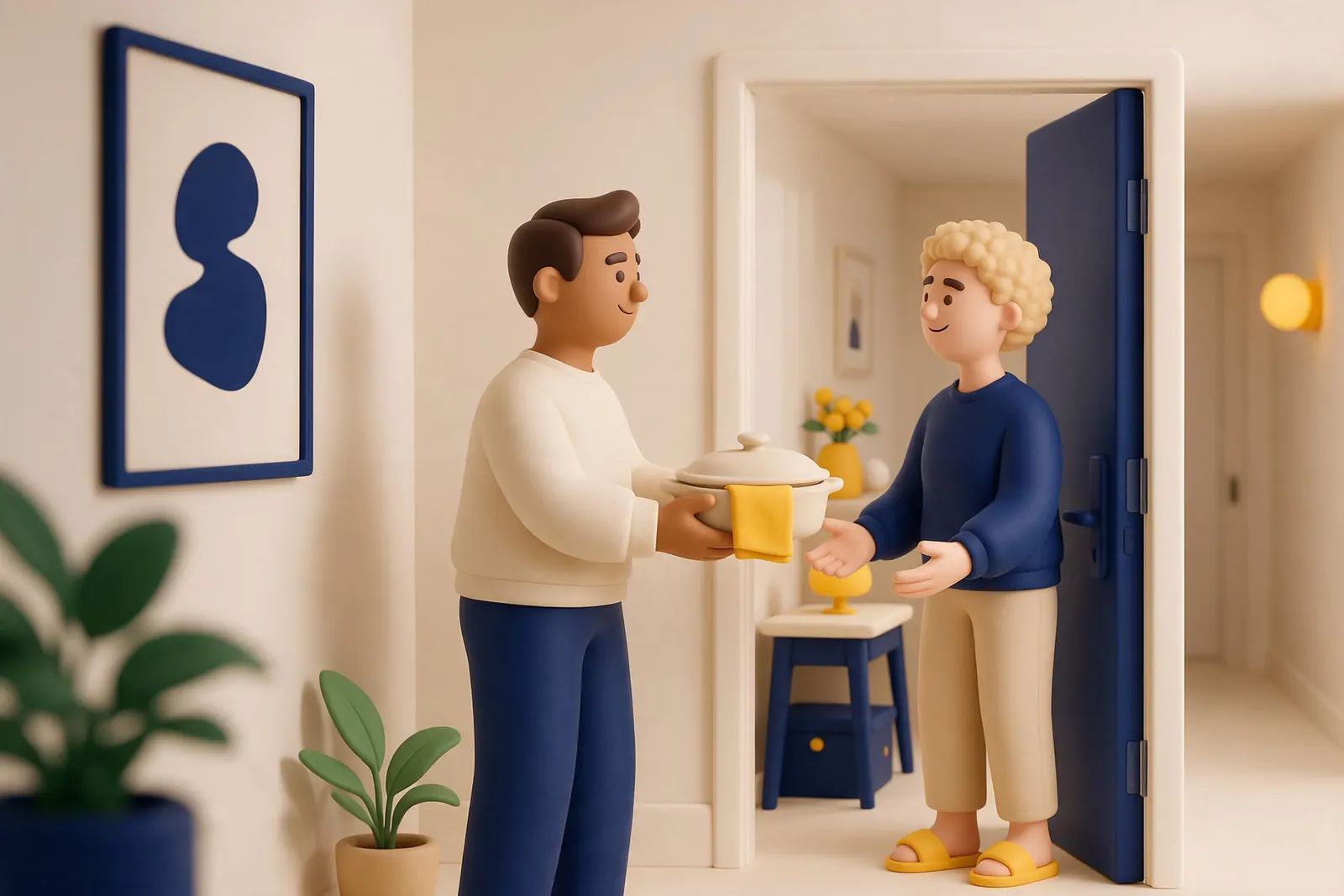 Everyday Life
New moments added all the time — and you can send in one of your own.
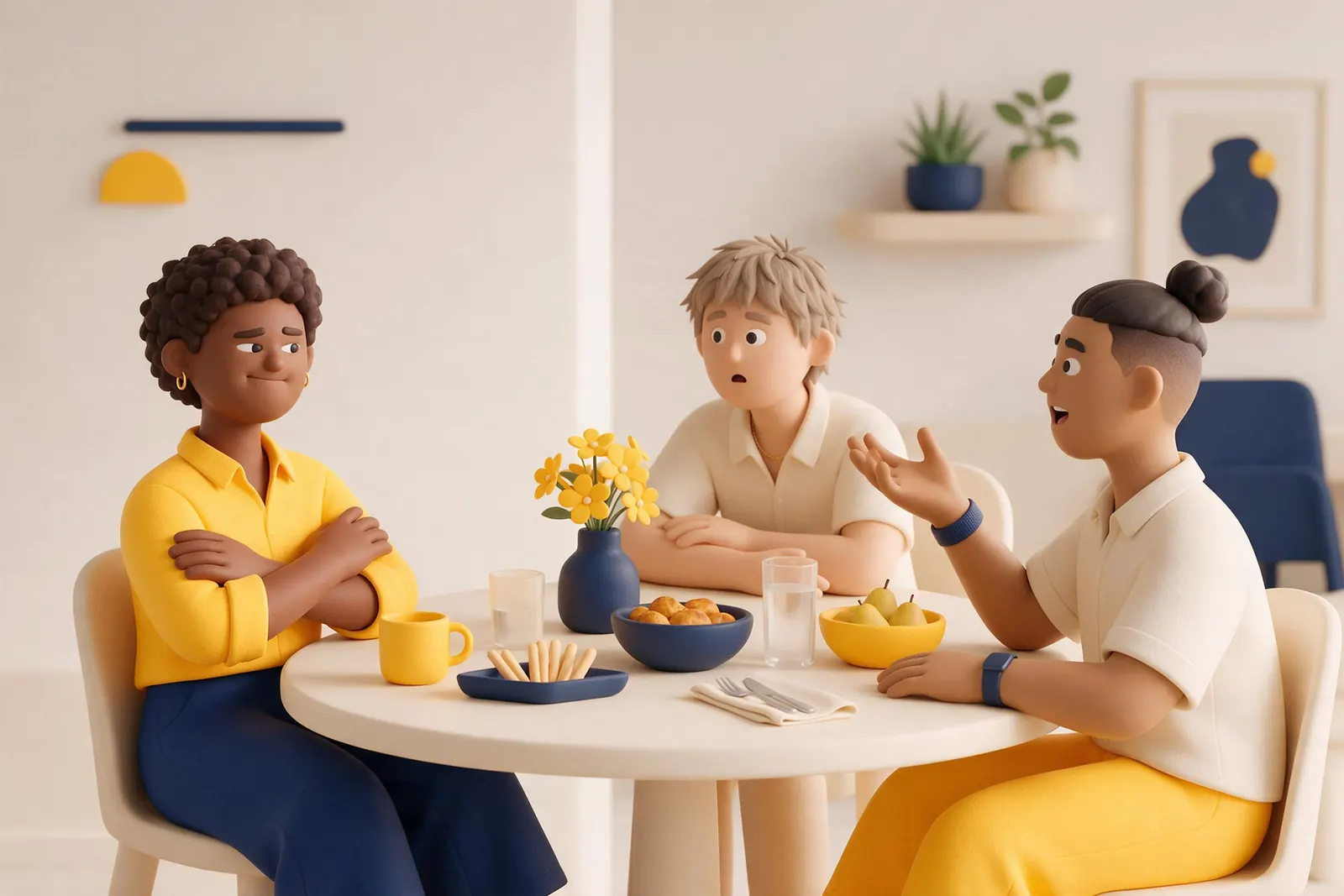 Reading People
 Conversation Skills
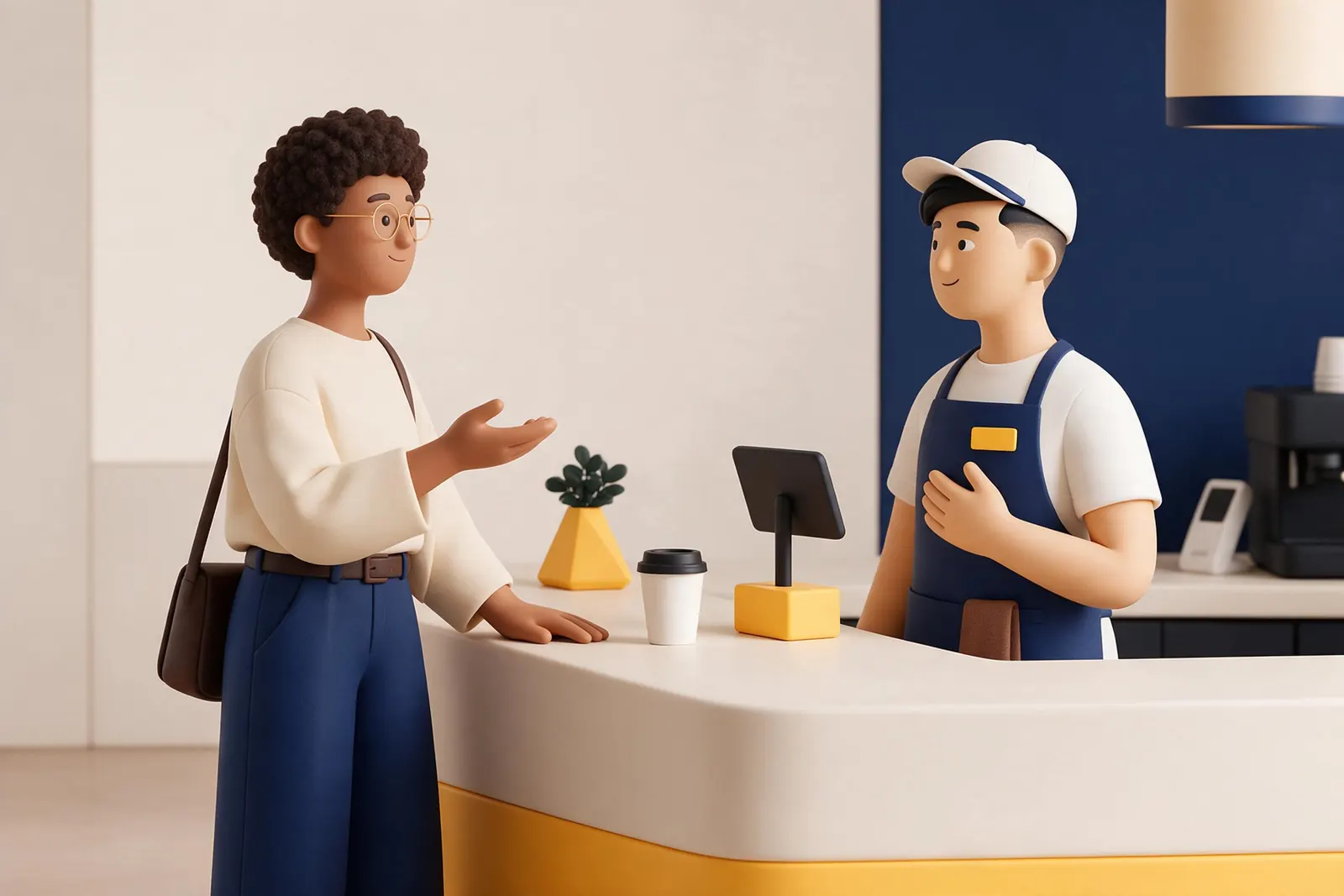 Speaking Up
 Social Confidence
Free to start. Worth keeping.
- ✓ The first 3 moments in every scene and skill
- ✓ 5 AI coach replies a day
- ✓ Everything in Warm-up, plus:
- ✓ Every moment in all 11 scenes and skills
- ✓ Every new moment we add
- ✓ AI coach on every round — up to 100 a day
- ✓ Everything in Warm-up, plus:
- ✓ Every moment in all 11 scenes and skills
- ✓ Every new moment we add
- ✓ AI coach on every round — up to 100 a day
- ✓ Save ~50% — about $90 a year vs monthly
The best way to communicate better.
Practice the exact moment. Free to start, no card needed.