Awkward Conversations: What to Say So They Don’t Get Worse
Awkward conversations get worse when everyone pretends nothing happened. The fix is simple: say the obvious thing lightly, choose what happens next out loud, and move on to a normal topic. Most awkward conversations last ten seconds — unless you drag them out.
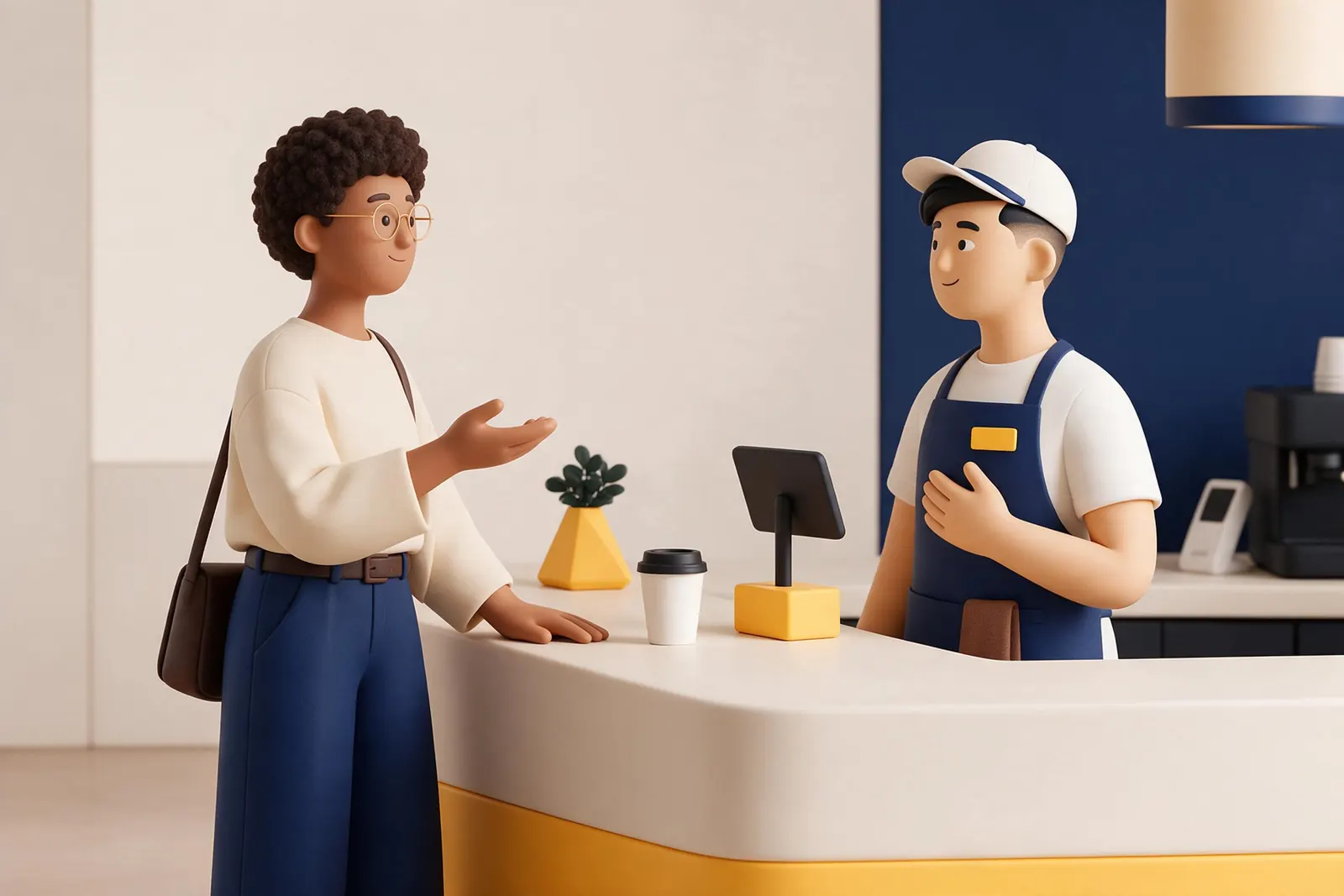
Leaving a coffee shop, you ran into Wen, who works on another floor of your office. You chatted for a few minutes, said 'Well, see you around!', and both turned to go. Then you both started walking in the same direction, toward the same building, side by side.
Free · No sign-up · About a minute
Practice real conversations until you communicate better
Communicate Better is where you practice real conversations. Step into the moment, say it your way, and see how they react — then get coached on a better line.
- Type what you’d say
- See where they’re coming from
- See how it lands — and a better line
How to handle awkward conversations in 4 steps
Awkward conversations are mostly the ten seconds after something weird happens. Handle those well and awkward conversations shrink back into normal ones.
Say the obvious thing, lightly
In awkward conversations, everyone has already noticed the weird part. Naming it with a small laugh — “Ha, the goodbye didn’t take” — releases the tension for both of you. Ignoring it is how awkward conversations get stuck.
Choose what happens next out loud
Awkward conversations drag when nobody knows the plan. Decide: “Guess we’re walking together,” or “I’m peeling off here.” Saying it out loud turns awkward conversations back into normal ones.
If it’s fixable, say it quickly
Spinach in teeth, an open zipper, a tag sticking out — if they can fix it right now, tell them in one quiet sentence. It only becomes one of those awkward conversations if you make a speech about it, or say nothing and let them find out later.
Move on to a normal topic
Once it’s named, changing the subject to something easy helps: their coffee, the weekend, the lake. Don’t circle back to apologize three more times. The faster you go back to normal, the faster awkward conversations end — for both of you.
Awkward conversations: what makes them worse
- Pretending you didn’t see each other, which turns one awkward moment into weeks of awkward conversations.
- Over-apologizing until the other person has to comfort you.
- Asking a string of questions about a plan you weren’t invited to.
- Staying silent side by side, both hoping the other one will speak.
Awkward conversations examples: what to say
These awkward conversations show up at work, with friends and with near-strangers. The better lines are short, light and move things along.
| The moment | Say this | Avoid this |
|---|---|---|
| You said goodbye, then walked the same direction | “Ha, the goodbye didn’t take. Guess we’re walking together.” | Walking side by side in total silence |
| A coworker has food in his teeth before a pitch | “Quick thing: poppy seed, front tooth, left side. You’re good. Go crush it.” | Saying nothing and hoping nobody notices |
| A friend mentions a trip you weren’t invited to | “I’m not going this time, but that sounds great. Is the lake warm yet?” | “Wait, who else is going? When was this planned?” |
| You run into a teammate at another company’s interview | “I didn’t see you here if you didn’t see me. Good luck in there.” | Pretending to be on your phone |
| You call someone by the wrong name | “Sorry — Dana! I know that. My brain skipped.” | Avoiding their name for the rest of the year |
| You wave back at someone who was waving at the person behind you | (laughing) “That was for you, wasn’t it? Carry on.” | Turning it into a fake stretch |
Why am I so awkward in conversation?
Feeling awkward in conversation often comes from watching yourself instead of the other person — replaying what you just said while they’re still talking. Awkward conversations feel longer from the inside than they look from the outside. Most people forget your stumble within minutes, especially if you laugh it off. The less you try to hide the awkward moment, the less awkward it becomes, and the more you look like a good conversationalist.
Awkward conversations: FAQ
How do you keep awkward conversations from getting worse?
Focus on the other person instead of yourself, ask about something they just said, and when a weird moment happens, name it lightly and move on. Awkward conversations usually get awkward because someone tried to pretend nothing happened.
How can I be less awkward in conversation?
Most awkward conversations start in your head. Stop scripting your next line while they’re talking. Listen, react, ask one follow-up. Let small pauses happen. If you stumble, laugh at it once — “Wow, words are hard today” — and keep going.
What do you say when things get awkward?
Say the obvious thing with a smile — “Well, that was awkward” — and then move straight to something normal, like a question about their day. Naming the moment once is enough — awkward conversations shrink the second someone acknowledges them.
Should I tell someone they have something in their teeth?
Yes, if they can fix it right now. Tell them quietly and plainly: “Quick thing — left front tooth.” Most people are grateful. It’s far less awkward than finding out after the meeting.
How do you recover after awkward conversations?
Next time you see them, act normal and friendly. If it was a real misstep, a short “Sorry about the other day — that came out wrong” is enough. Don’t keep revisiting it; replaying awkward conversations is what keeps them alive.
Handling awkward conversations isn’t learned from a list. It’s built by practicing.
Communicate Better is built for one thing: helping you communicate better. Step into real moments, say it your way, and see how it lands — until the right words come without thinking.
Learn more about Communicate Better →Type what you’d say
Step into a real moment and reply in your own words, the way you’d actually say it. No multiple choice, no script.
See where they’re coming from
Then call what’s going on for them, what they mean and how they feel, and find out right away whether you read them right.
See how it lands — and a better line
An AI plays the other person and reacts to what you actually wrote. Then a coach shows you a better line and why it works. The moments you miss come back until you’ve got them.
7 scenes and 4 core skills — practice them all
1,100+ real moments to practice, from your first hello to the hardest talk.
 New People
Openers, small talk, reading if they want to keep going, making new friends.
How to start a conversation → Dating
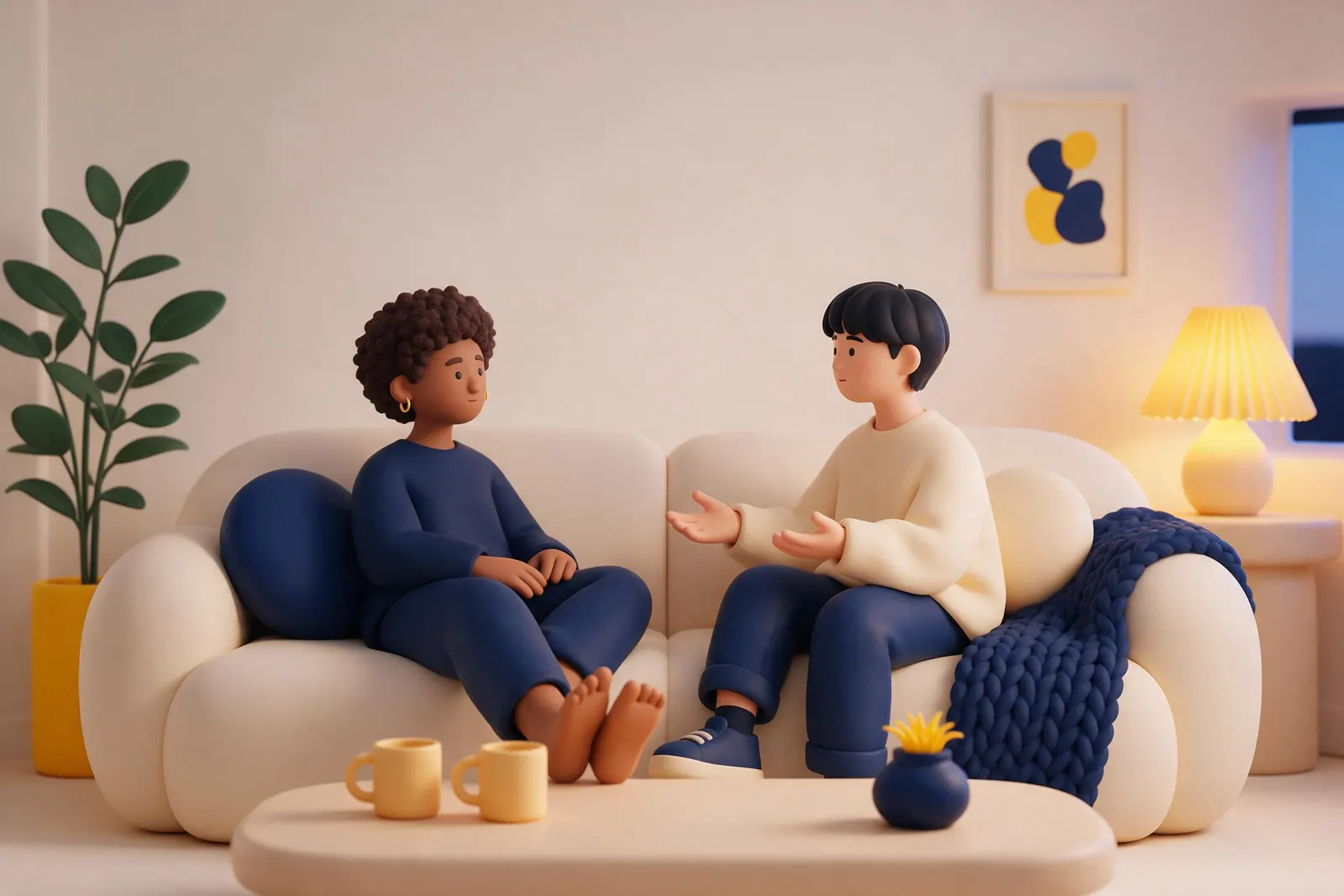 Relationships
Needs, comfort, fights, a partner who’s gone quiet, apologies, big decisions.
How to communicate better with your partner →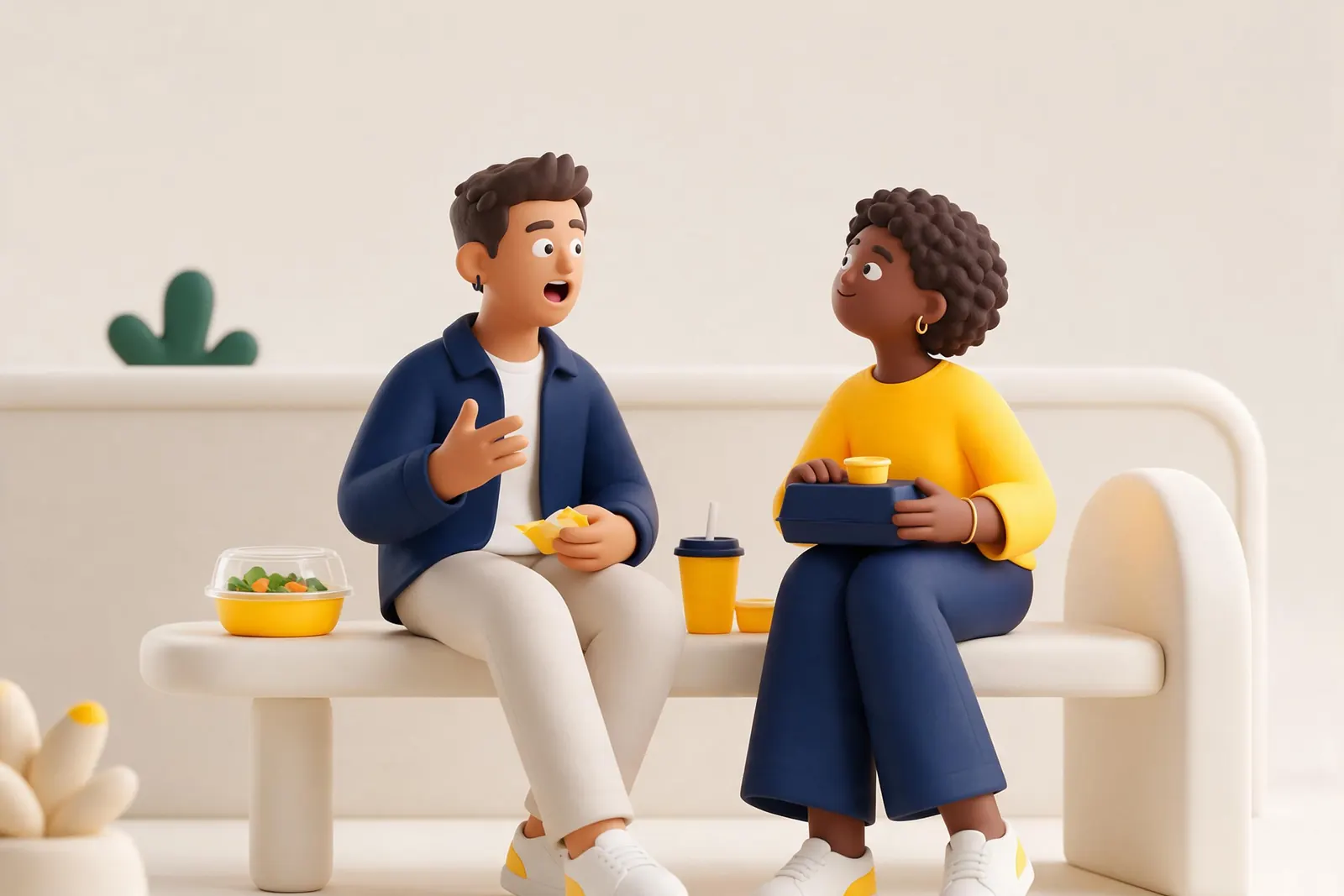 Friends
 Work & Career
Meetings, feedback, being overlooked, asking for a raise, networking.
Communication in the workplace → Messages & Online
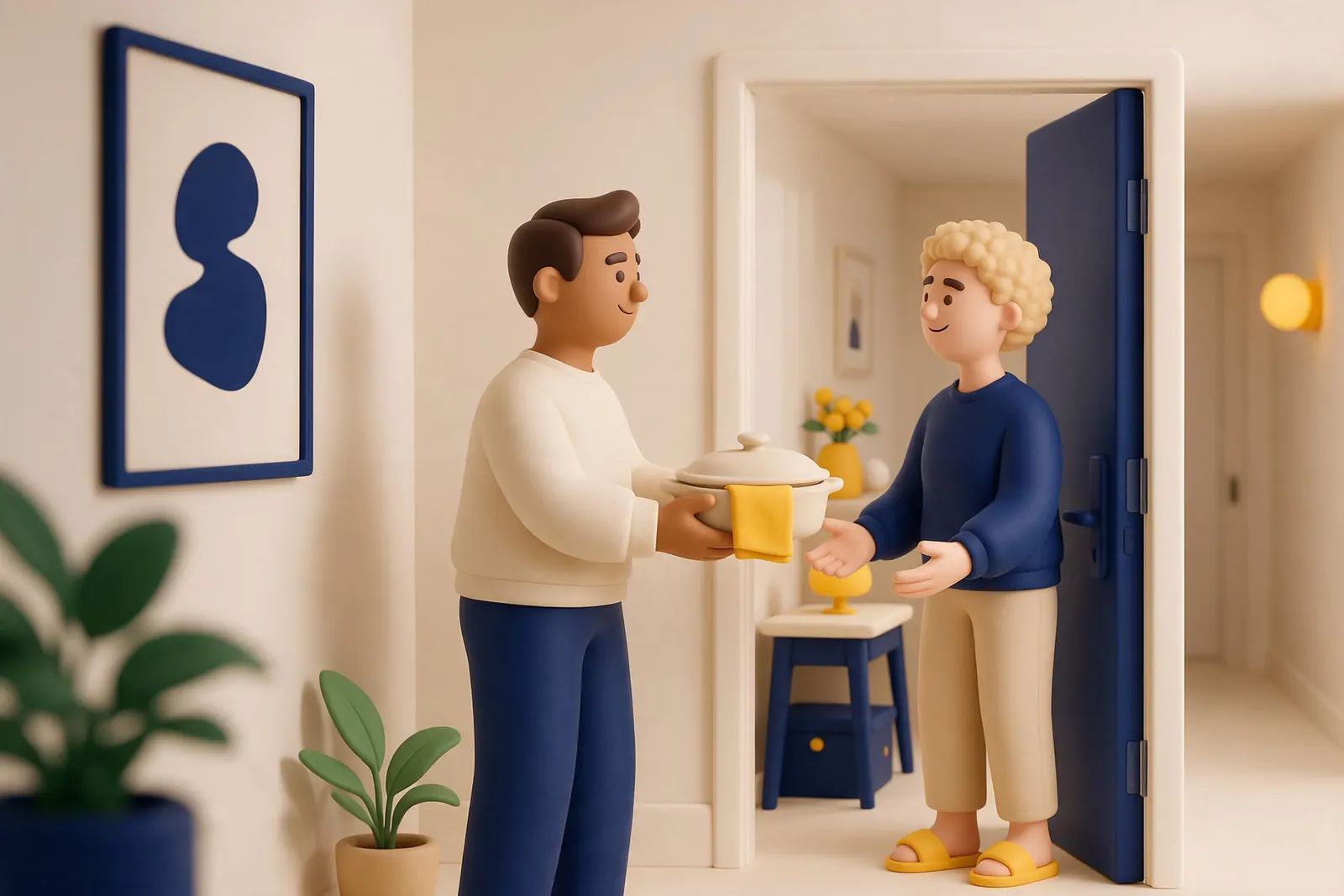 Everyday Life
New moments added all the time — and you can send in one of your own.
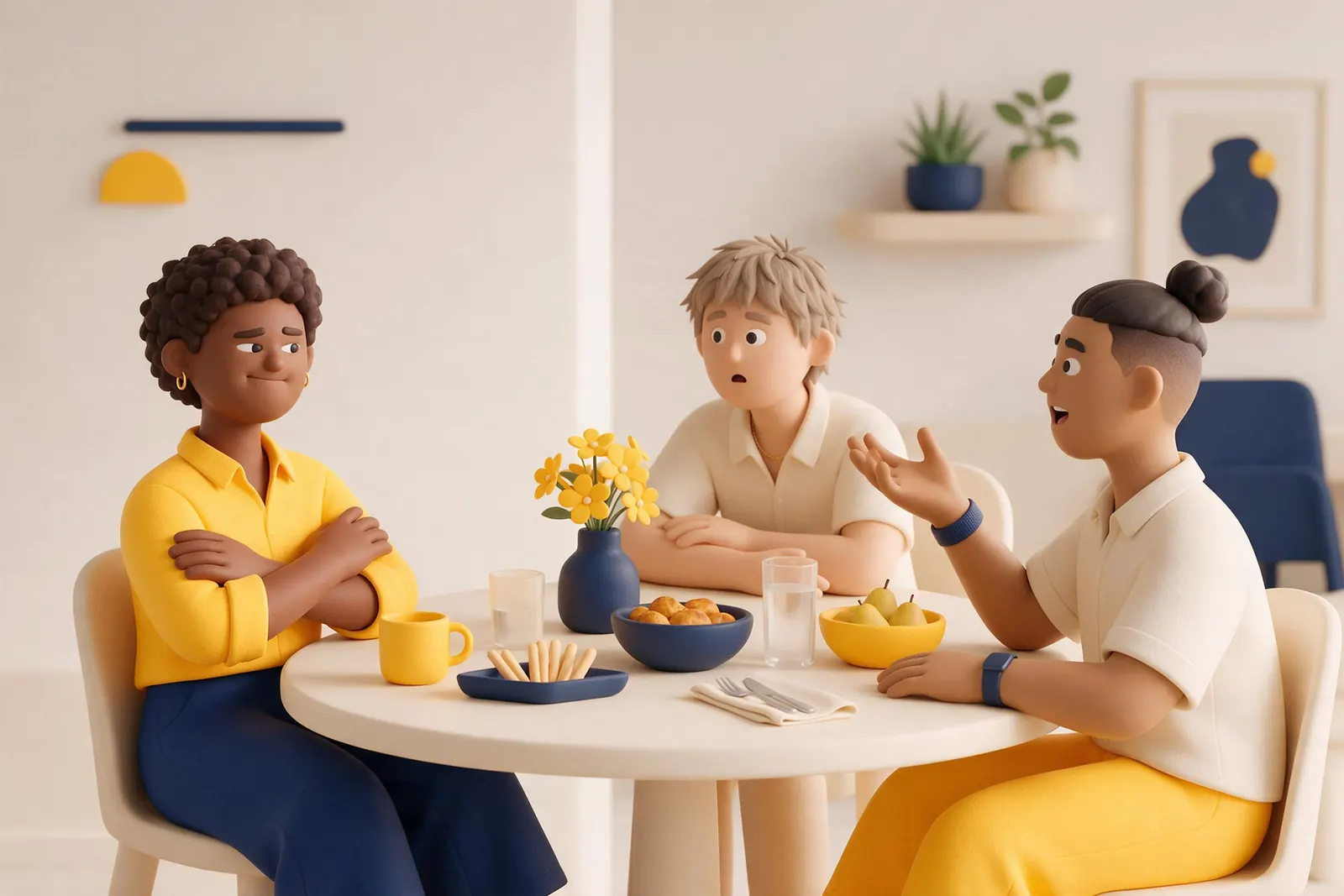 Reading People
 Conversation Skills
 Speaking Up
 Social Confidence
Free to start. Worth keeping.
- ✓ The first 3 moments in every scene and skill
- ✓ 5 AI coach replies a day
- ✓ Everything in Warm-up, plus:
- ✓ Every moment in all 11 scenes and skills
- ✓ Every new moment we add
- ✓ AI coach on every round — up to 100 a day
- ✓ Everything in Warm-up, plus:
- ✓ Every moment in all 11 scenes and skills
- ✓ Every new moment we add
- ✓ AI coach on every round — up to 100 a day
- ✓ Save ~50% — about $90 a year vs monthly

The best way to communicate better.
Practice the exact moment. Free to start, no card needed.